
Business
MSNBC finishes first in primetime basic cable for first time ever
Temporibus autem quibusdam et aut officiis debitis aut rerum necessitatibus saepe eveniet ut et voluptates.


Quis autem vel eum iure reprehenderit qui in ea voluptate velit esse quam nihil molestiae consequatur, vel illum qui dolorem eum fugiat quo voluptas nulla pariatur.
Temporibus autem quibusdam et aut officiis debitis aut rerum necessitatibus saepe eveniet ut et voluptates repudiandae sint et molestiae non recusandae. Itaque earum rerum hic tenetur a sapiente delectus, ut aut reiciendis voluptatibus maiores alias consequatur aut perferendis doloribus asperiores repellat.
Lorem ipsum dolor sit amet, consectetur adipisicing elit, sed do eiusmod tempor incididunt ut labore et dolore magna aliqua. Ut enim ad minim veniam, quis nostrud exercitation ullamco laboris nisi ut aliquip ex ea commodo consequat.
Nemo enim ipsam voluptatem quia voluptas sit aspernatur aut odit aut fugit, sed quia consequuntur magni dolores eos qui ratione voluptatem sequi nesciunt.
Et harum quidem rerum facilis est et expedita distinctio. Nam libero tempore, cum soluta nobis est eligendi optio cumque nihil impedit quo minus id quod maxime placeat facere possimus, omnis voluptas assumenda est, omnis dolor repellendus.
Nulla pariatur. Excepteur sint occaecat cupidatat non proident, sunt in culpa qui officia deserunt mollit anim id est laborum.
Sed ut perspiciatis unde omnis iste natus error sit voluptatem accusantium doloremque laudantium, totam rem aperiam, eaque ipsa quae ab illo inventore veritatis et quasi architecto beatae vitae dicta sunt explicabo.
“Duis aute irure dolor in reprehenderit in voluptate velit esse cillum dolore eu fugiat”
Neque porro quisquam est, qui dolorem ipsum quia dolor sit amet, consectetur, adipisci velit, sed quia non numquam eius modi tempora incidunt ut labore et dolore magnam aliquam quaerat voluptatem. Ut enim ad minima veniam, quis nostrum exercitationem ullam corporis suscipit laboriosam, nisi ut aliquid ex ea commodi consequatur.
At vero eos et accusamus et iusto odio dignissimos ducimus qui blanditiis praesentium voluptatum deleniti atque corrupti quos dolores et quas molestias excepturi sint occaecati cupiditate non provident, similique sunt in culpa qui officia deserunt mollitia animi, id est laborum et dolorum fuga.




By Philippine Duru
philippineobetoduru@gmail.com
08034905774
The Securities and Exchange Commission (SEC) of Nigeria has introduced a fully digital electronic registration (e-registration) platform for capital market operators, marking a significant milestone in its ongoing efforts to modernise the nation’s capital market and enhance the ease of doing business.
The new system is designed to streamline the licensing and registration process for both existing and prospective capital market operators by eliminating manual procedures, reducing paperwork, and expediting regulatory approvals.
This initiative forms part of the Commission’s broader digital transformation agenda, which aims to improve operational efficiency, strengthen transparency, and foster a more technology-driven regulatory environment that supports the growth and competitiveness of Nigeria’s financial markets.
Through the platform, applicants seeking licences or registration as capital market operators can now complete the entire process online, including the submission of applications and supporting documents, payment of applicable fees, and communication with the regulator. The electronic system is expected to significantly reduce processing timelines while enhancing accuracy, accountability, and overall service delivery.
The SEC stated that the transition to a fully digital registration process reflects its commitment to adopting innovative technological solutions aligned with global regulatory best practices, as well as supporting the Federal Government’s broader agenda of promoting digital governance across public institutions.
By replacing manual documentation with an electronic workflow, the Commission anticipates reduced administrative bottlenecks, minimised processing delays, and improved convenience for market participants. The platform is also expected to strengthen regulatory oversight through more efficient record management, real-time monitoring capabilities, and enhanced data integrity.
Industry stakeholders have noted that the introduction of the e-registration system could lower compliance costs for operators, encourage broader participation in Nigeria’s capital market, and strengthen investor confidence through a more transparent and predictable regulatory framework.
The initiative aligns with the SEC’s ongoing reform programme aimed at deepening the capital market, expanding investment opportunities, enhancing investor protection, and attracting both domestic and foreign capital. It also complements the Commission’s wider efforts to leverage digital technology to improve regulatory efficiency and position Nigeria’s capital market as a more competitive investment destination.
Market analysts further suggest that the development is expected to improve the overall business environment for capital market operators by making regulatory interactions faster, more efficient, and more transparent, while reinforcing the Commission’s role as a forward-looking regulator committed to innovation and sustainable market development.
By Philippine Duru
philippineobetoduru@gmail.com
08034905774
By Philippine Duru
philippineobetoduru@gmail.com
07034905774
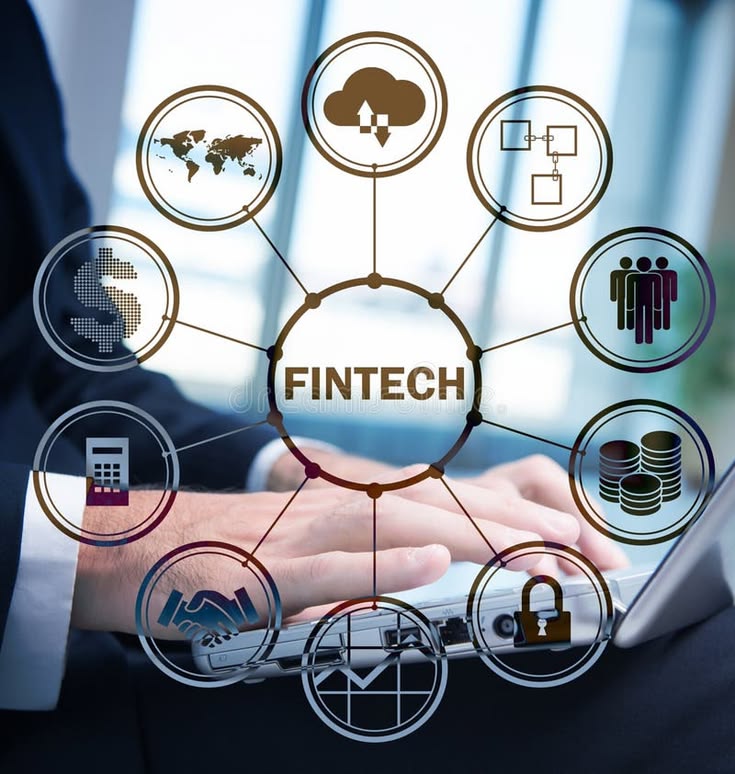
Africa’s rapidly expanding financial technology (fintech) industry is entering a new phase of development, with payment system failures, rising fraud risks and regulatory compliance emerging as the dominant issues shaping discussions among industry leaders, investors and policymakers.
While the continent’s fintech ecosystem has transformed financial inclusion by enabling millions of previously unbanked people to access digital payments, savings, lending and remittance services, experts say the industry’s next stage of growth will depend less on rapid customer acquisition and more on building resilient, secure and trustworthy payment infrastructure. Industry reports indicate that compliance, cybersecurity and fraud prevention have become top priorities for leading fintech companies as digital transactions continue to surge across Africa.
Across major fintech markets including Nigeria, Kenya, South Africa, Egypt and Ghana, stakeholders say recurring transaction failures remain one of the biggest threats to customer confidence. Consumers and merchants continue to experience delayed settlements, unsuccessful transfers, failed card transactions and occasional service disruptions, particularly during periods of high transaction volumes.
The operational challenges have become more significant as digital payments increasingly support everyday commercial activities, from retail purchases and transport payments to salary disbursements and cross-border trade. Businesses warn that prolonged payment delays can disrupt cash flow, reduce customer satisfaction and increase operational costs.
Industry executives are also expressing growing concern over increasingly sophisticated cyber fraud schemes targeting fintech platforms. Criminals are deploying advanced phishing attacks, identity theft, account takeovers, social engineering and other digital fraud techniques to exploit weaknesses in payment systems and customer verification processes.
Reports indicate that financial institutions across Africa continue to lose billions of naira and millions of dollars annually to electronic payment fraud, prompting fintech companies to increase investments in artificial intelligence-powered fraud detection, biometric authentication, stronger identity verification and real-time transaction monitoring.
The changing risk landscape has shifted industry priorities from growth at all costs to sustainable expansion supported by stronger governance, regulatory compliance and operational resilience. Investors are increasingly favouring fintech firms that demonstrate sound risk management, profitability and robust internal controls rather than focusing solely on rapid user growth.
Regulators across the continent have also intensified oversight of the sector as digital financial services become increasingly central to national economies. Authorities are introducing stricter compliance requirements covering anti-money laundering measures, customer verification, cybersecurity standards and consumer protection in an effort to strengthen confidence in digital finance.
Despite these challenges, analysts remain optimistic about Africa’s fintech outlook. The continent continues to experience strong growth in smartphone adoption, internet connectivity and digital payment usage, creating significant opportunities for innovation in embedded finance, cross-border payments, merchant services and financial inclusion.
Industry observers believe that companies capable of combining seamless customer experiences with reliable payment infrastructure, strong cybersecurity and full regulatory compliance will be best positioned to attract investment and expand across African markets.
As the sector matures, experts say restoring and maintaining customer trust will be just as important as technological innovation. They argue that reducing payment failures, strengthening fraud prevention systems and improving operational reliability will determine which fintech firms emerge as long-term leaders in Africa’s increasingly competitive digital financial services landscape.

.By Philippine Duru
philippineobetoduru@gmail.com
08034905774
Presidential Economic Adviser, Tope Fasua, has called for a comprehensive review of Nigeria’s monetary policy framework, warning that the sustained high-interest-rate environment is constraining the growth of micro, small and medium-sized enterprises (MSMEs), limiting investment, and slowing job creation.
Fasua stated that Nigeria requires a monetary policy approach that reflects the realities of its economy, rather than relying predominantly on aggressive interest-rate increases to curb inflation. He noted that while price stability remains a critical objective, monetary policy must also support business expansion, industrial development, and inclusive economic growth.
He argued that the prevailing high-interest-rate regime has significantly raised the cost of borrowing, making it increasingly difficult for businesses—particularly MSMEs—to access affordable credit needed to expand operations, invest in equipment, and create employment opportunities.
The presidential adviser emphasised that MSMEs form the backbone of Nigeria’s economy, accounting for the vast majority of businesses and providing millions of jobs across various sectors. He stressed that this strategic role necessitates greater consideration of the sector’s financing needs in monetary policy formulation.
According to Fasua, while monetary tightening can be an effective tool for managing inflation, persistently high lending rates may also suppress private sector investment and weaken overall economic activity when maintained over extended periods.
He therefore advocated a more balanced monetary policy framework that simultaneously supports sustainable economic growth and maintains price stability. Such an approach, he said, should reflect Nigeria’s unique economic structure, including its large informal sector, the financing constraints faced by small businesses, and broader national development priorities.
Fasua urged monetary authorities to adopt policies that better balance inflation control with the need to create an enabling environment for businesses to thrive, noting that elevated borrowing costs have become a significant barrier to entrepreneurship and productivity.
His remarks come at a time when many Nigerian businesses continue to face significant operational challenges, despite indications of easing inflationary pressures. Manufacturers, traders, and service providers have consistently identified high lending rates as a major constraint to expanding production, increasing capacity, and improving competitiveness.
Business groups have also maintained that while tight monetary policy may help contain inflation, prolonged high interest rates can discourage investment, reduce consumer spending, and slow economic growth—particularly in an environment where access to affordable financing remains limited.
The comments are expected to intensify ongoing discussions among policymakers, economists, and private sector stakeholders on the appropriate balance between inflation control and economic growth stimulation.
The debate has gained renewed relevance as Nigeria seeks to strengthen its private sector, attract greater domestic and foreign investment, diversify its economy beyond oil, and generate employment through expanded industrialisation and enterprise development.
Analysts note that any future adjustment to the country’s monetary policy framework will require a careful balancing act—ensuring inflation remains under control while guaranteeing that businesses have adequate access to affordable financing to drive productivity, innovation, and long-term economic growth.


SEC launches digital e-registration platform for operators

Fintech industry faces growth challenges

Nigeria requires a comprehensive monetary policy approach -says Presidency
-

 News9 years ago
These ’90s fashion trends are making a comeback in 2017
-
Business9 years ago
The 9 worst mistakes you can ever make at work
-
Entertainment9 years ago
The final 6 ‘Game of Thrones’ episodes might feel like a full season
-

 News4 months ago
SERAP to Akpabio: Disclose officials involved in misappropriation of ₦200t from NNPC
-
News9 years ago
According to Dior Couture, this taboo fashion accessory is back
-

 News4 months ago
Disquiet over whereabouts of ₦2.9 billion in key federal agencies
-
Sports9 years ago
Phillies’ Aaron Altherr makes mind-boggling barehanded play
-
Entertainment9 years ago
The old and New Edition cast comes together to perform