Connect with us

News

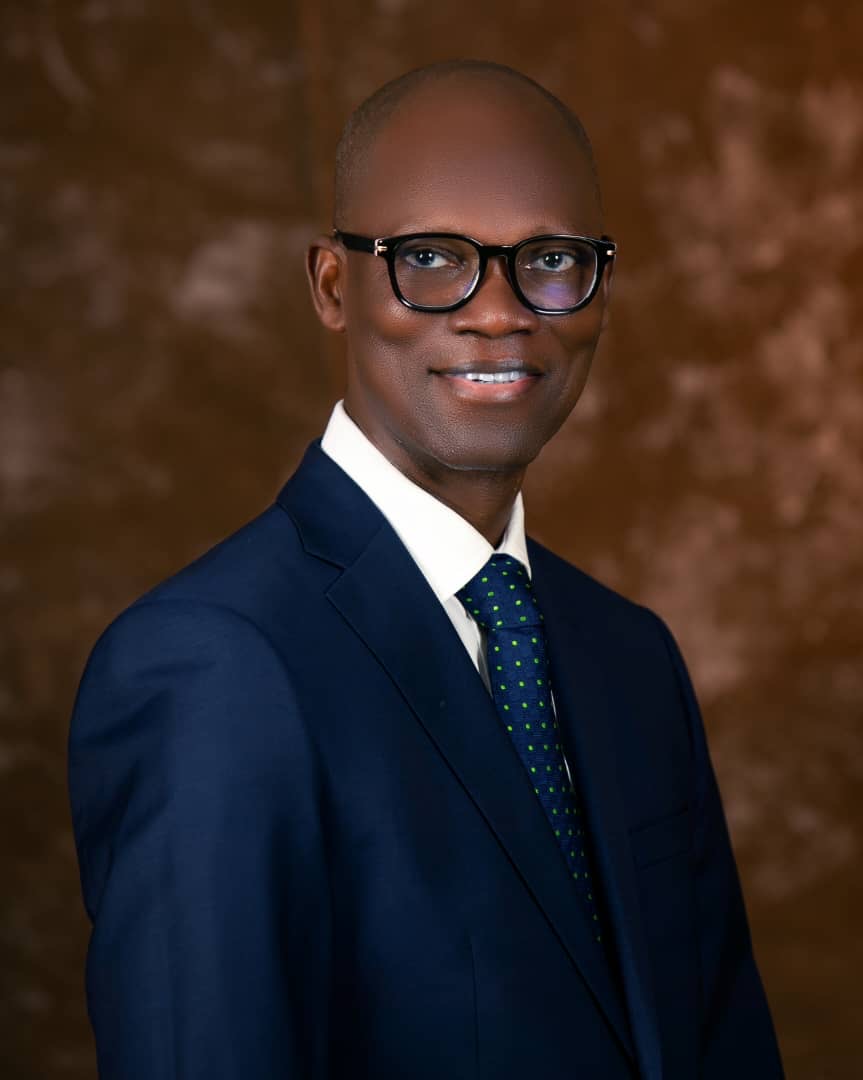
Tayo Ayinde: The Calm Servant Behind Lagos’ Progress

Published

on

By Ayo Olusegun
In the complex theatre of governance, where noise often masquerades as impact, few figures embody disciplined authority and strategic boldness like Tayo Ayinde, Chief of Staff to Governor Babajide Sanwo-Olu of Lagos. He is not a headline-chasing leader. Instead, Ayinde represents a rare breed, a calm but commanding operator whose strength is expressed through control, precision, and unwavering loyalty.
Ayinde’s personality is deeply rooted in his formative years within Nigeria’s security architecture. Having served in the State Security Service (SSS), where he rose through the ranks before retiring in 2009, he developed a mindset shaped by vigilance, intelligence gathering, and calculated decision-making.
This background did not just shape his career; it defined his temperament. Those who have observed him closely describe a man who is perpetually alert, mentally agile, and instinctively strategic. He anticipates rather than reacts and focuses on outcomes rather than optics.
His boldness, therefore, is not performative; it is institutional.
Nicknamed “Buffalo” by colleagues and associates, Ayinde’s personality reflects a striking paradox: gentle in appearance, yet formidable in execution. He carries a commanding presence while maintaining a composed and approachable demeanor. In political and administrative circles, he is known to demonstrate focus under pressure, maintain emotional discipline in crisis situations, and project authority that commands respect without coercion.
This blend of calmness and inner strength is what makes his leadership style uniquely effective. He is the type of leader who can enter a room quietly and still shape its direction.
Within the Lagos State Government, Ayinde is more than a chief of staff in title; he is widely regarded as the operational nucleus of the administration. He coordinates complex policy frameworks with precision and serves as a critical bridge between political leadership and administrative execution. In doing so, he manages competing interests without destabilizing governance.
President Bola Ahmed Tinubu has described him as a dependable ally and a stabilizing force, an acknowledgment of his ability to manage responsibility without being consumed by it.
Ayinde’s office is often described as a “solution centre”, a place where issues are addressed with clarity and speed rather than prolonged debate.
In Nigeria’s often unpredictable political environment, loyalty can be fluid. Ayinde, however, represents a different doctrine: loyalty as a strategic principle. From his days as Chief Detail to President Bola Ahmed Tinubu to his current role, he has built a reputation as a leader who understands power, respects hierarchy, and safeguards institutional continuity.
His consistency stands out. He does not shift with political winds, nor does he deploy influence for personal spectacle. Instead, he prioritizes structure, stability, and long-term outcomes. This approach has earned him a trusted position within Lagos’ political landscape, with credibility that cuts across different interests.
Beyond governance, Ayinde’s personality reveals a strong humanitarian dimension. Known for his quiet philanthropy, he has supported widows, orphans, and vulnerable communities over the years, often without public attention. His Ikeja residence is frequently described as an “open door,” reflecting a leadership philosophy grounded in accessibility and compassion.
This balance of firmness in leadership and empathy in human engagement, completes the architecture of his character.
In an era where leadership is often equated with visibility, Tayo Ayinde represents a different model, one defined by substance over spectacle. He is a strategist who thinks ahead, a coordinator who turns policy into reality, and a steady hand in complex systems.
His story is not one of flamboyance but of structured influence, disciplined authority, and consistent delivery. His impact is measured not by volume, but by his ability to guide outcomes, stabilize systems, and sustain governance at the highest level.
In the evolving narrative of Lagos State, Ayinde stands as a reminder that true power does not always announce itself. It operates, delivers, and endures.
~ Ayo Olusegun writes
Continue Reading
Click to comment

Leave a Reply

Your email address will not be published. Required fields are marked *

News

Two APC states reschedule governorship primaries

Published

on

PRESS STATEMENT

The All Progressives Congress (APC) has announced the rescheduling of its Governorship Primary Elections in Bauchi State and Kwara State to Friday, May 22, 2026.

In the same vein, the party has approved a new date for the State House of Assembly Primary Elections in Maradun I and Maradun II constituencies of Zamfara State, which will now hold on Sunday, May 24, 2026.

The decision was ratified by the National Working Committee (NWC) after consultations with critical stakeholders as part of efforts to guarantee a transparent, peaceful, orderly, and credible primary election process.

The party reiterated its commitment to upholding internal democracy and ensuring the successful conduct of all primary elections ahead of the forthcoming polls.

Signed:

Felix Morka

National Publicity Secretary

All Progressives Congress (APC)
Continue Reading

News

Abia moves closer to energy independence

Published

on

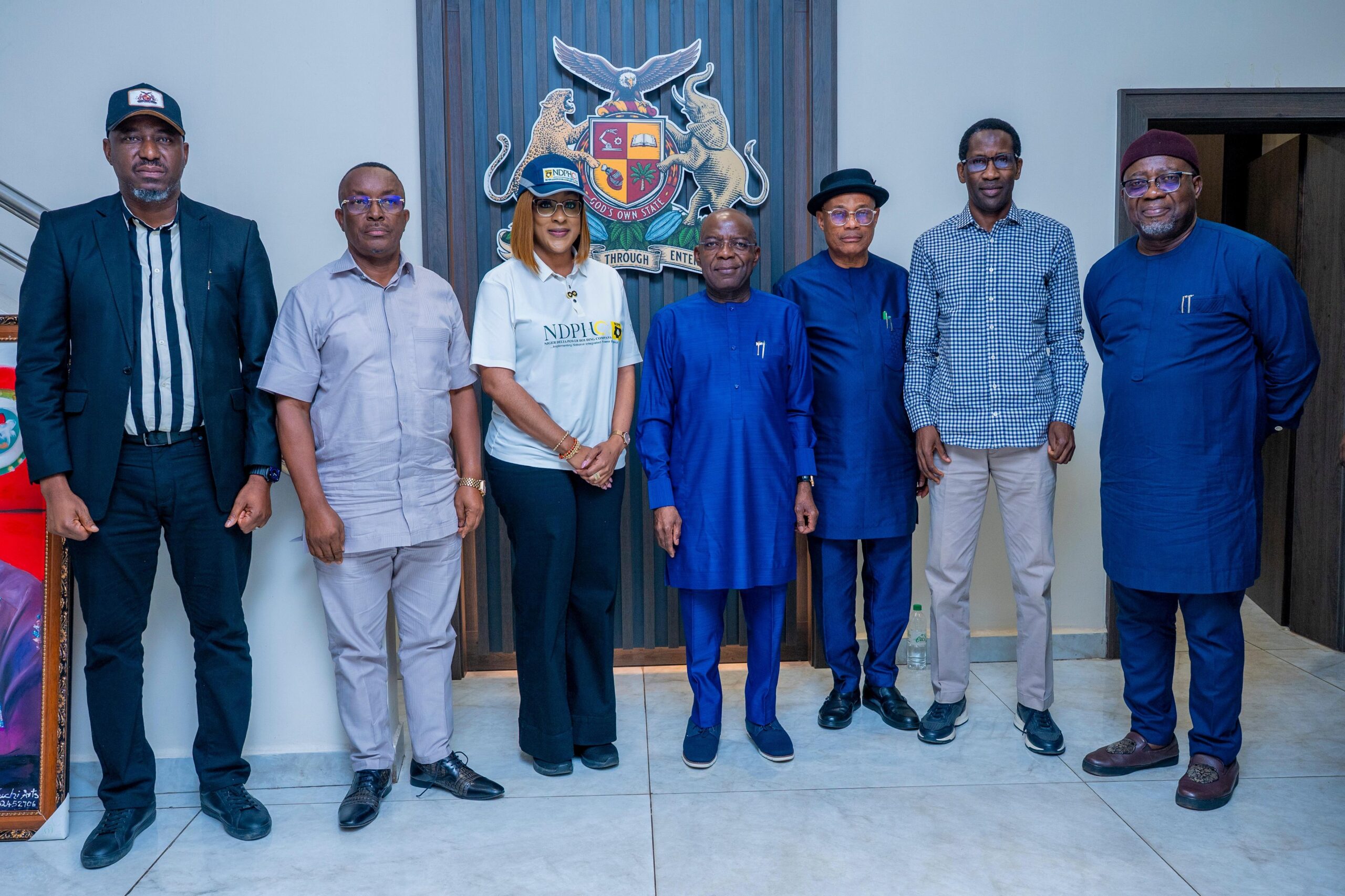
The Governor of Abia State has reaffirmed his administration’s commitment to achieving energy independence and expanding access to reliable electricity across the state following a high-level meeting with the leadership of the Niger Delta Power Holding Company (NDPHC).

The governor disclosed this after receiving the Managing Director and Chief Executive Officer of NDPHC, Jennifer Adighije, alongside members of her management team during a courtesy visit to his office.

During the meeting, the governor praised the successful revival of the Alaoji Power Plant in Aba, describing the development as a major breakthrough in ongoing efforts to guarantee stable and uninterrupted electricity supply in the state.

According to him, the restoration of operations at the plant represents a critical milestone in strengthening power generation and supporting industrial growth, particularly within the Aba economic corridor.

He revealed that the Alaoji Power Plant currently dispatches approximately 375 megawatts of electricity to the national grid, while expansion plans are already underway to increase output capacity to nearly 800 megawatts, with long-term projections targeting up to 1,100 megawatts.

The governor noted that electricity remains central to his administration’s broader economic transformation agenda, stressing that sustainable power supply is essential for industrialization, job creation, healthcare delivery, education, and overall social development.

He explained that since assuming office, his government has implemented strategic reforms aimed at repositioning the power sector within the state. These reforms include the ring-fencing of the Aba industrial cluster to ensure more efficient electricity management and the ongoing process to acquire the Umuahia electricity axis of the Enugu Electricity Distribution Company (EEDC).

According to the governor, the measures are designed to place electricity generation, regulation, and distribution substantially under the control of the state government, thereby enabling faster decision-making and improved service delivery.

He expressed optimism that deeper collaboration between Abia State and NDPHC would make it possible to wheel electricity directly from the Alaoji facility to the remaining eight local government areas outside the Aba corridor.

The planned expansion, he said, would ensure that homes, schools, hospitals, and industries across the state gain access to reliable and affordable power supply.

The governor further emphasized that improved electricity infrastructure would significantly boost economic productivity, attract investors, strengthen small and medium-scale enterprises, and enhance the quality of life for residents.

Reaffirming his administration’s vision, he declared that Abia State is prepared to lead Nigeria’s push toward subnational energy independence through strategic partnerships, infrastructure investments, and sector reforms.

He added that the state government remains committed to building a power ecosystem capable of driving industrial production, supporting innovation, and sustaining long-term prosperity for the people of Abia.

Continue Reading

News

Obidient Movement ex mobilization director apologises to Obi, supporters 

Published

on

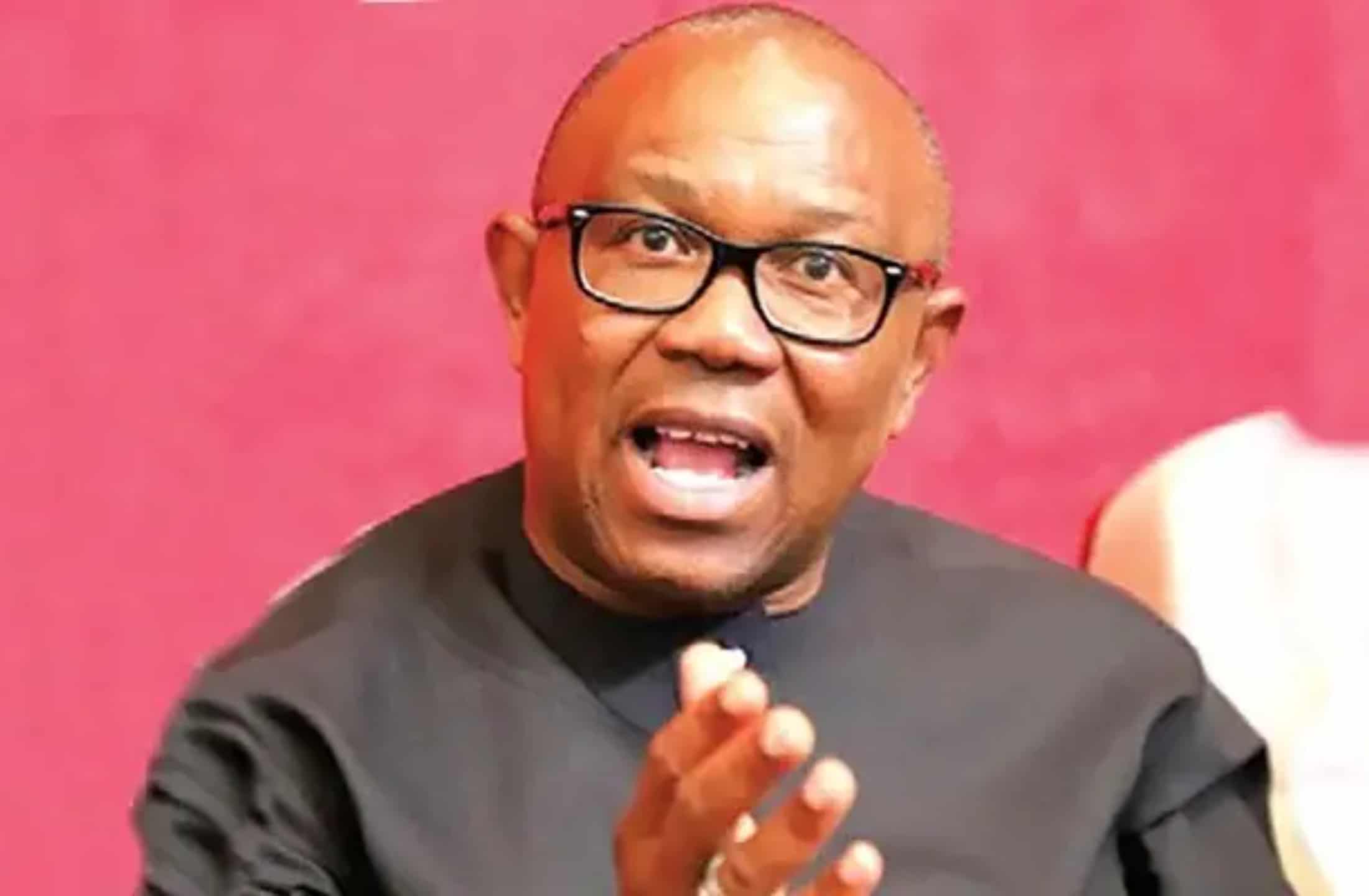
A former Director of Mobilization of the Obidient Movement, Morris Monye, has issued a public apology to supporters of the movement and to Labour Party presidential candidate, Peter Obi, over a controversial resignation letter he previously released.

In an open letter addressed to members of the Obidient Movement, Monye admitted that he acted out of “frustration and immaturity” when he published the resignation letter, which he said contained statements that unfairly targeted Obi.
According to him, the remarks did not reflect the values of accountability and constructive engagement associated with the movement.
“I allowed deep frustration and personal emotions to cloud my judgment. I made statements that subtly and unnecessarily dragged Peter Obi, a man I still respect for his vision, integrity, and sacrifice for this nation. That was wrong,” he stated.
Monye accepted full responsibility for the letter, stressing that no one influenced or edited his comments before publication. Although he later deleted the letter, he acknowledged that the action had already caused disappointment and loss of trust among supporters.
The former mobilization director also apologized directly to Obi and members of the Obidient Movement, especially young supporters who he said remained committed to the vision of a better Nigeria despite political challenges.
“To Peter Obi himself, Sir, I am sincerely sorry. My words were not a true reflection of the values of sacrifice, accountability, and constructive criticism that you preach,” he wrote.
He further noted that he was not seeking a return to any position within the movement, adding that his apology was motivated by a sense of responsibility and the need to own up to his mistakes.
Monye said he understood that trust could only be rebuilt through consistent actions over time and appealed for forgiveness from members of the movement.
He ended the letter on a lighter note, urging supporters to move forward in unity while reaffirming his commitment to the struggle for a better Nigeria.
Continue Reading

Trending

Copyright © 2017 Zox News Theme. Theme by MVP Themes, powered by WordPress.