
Business
Nigeria’s financial markets get overhaul as CBN withdraws N6.88tn

By Philippine Duru
philippineobetoduru@gmail.com
08034905774
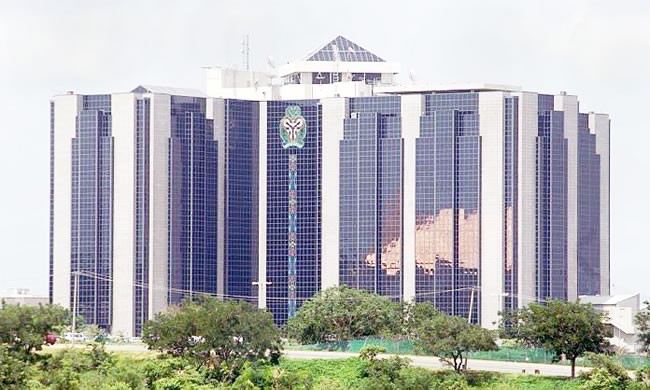
The Central Bank of Nigeria (CBN) has intensified its monetary tightening measures, withdrawing approximately ₦6.88 trillion from the financial system in recent weeks as part of efforts to curb excess liquidity, tame inflationary pressures, and support stability in the foreign exchange market.
The liquidity mop-up coincides with the launch of the Nigeria Foreign Exchange Code and Market Framework (NOFAR), a major initiative designed to deepen Nigeria’s financial markets, strengthen governance standards, and improve transparency across the foreign exchange ecosystem.
The twin policy actions highlight the apex bank’s commitment to sustaining macroeconomic stability while fostering a more efficient and credible financial market environment.
The liquidity withdrawals were executed through a series of Open Market Operations (OMO) and other monetary policy instruments aimed at reducing the volume of cash available within the banking sector. Analysts say the move is intended to reinforce the impact of the CBN’s tight monetary stance and prevent excess liquidity from fueling inflation and currency speculation.
Over the past year, the central bank has maintained an aggressive anti-inflation strategy, relying on higher interest rates and liquidity management tools to moderate price pressures and stabilize the naira. The latest intervention signals that monetary authorities remain focused on keeping inflation under control despite signs of improving economic activity.
Financial market participants noted that the withdrawal of nearly ₦7 trillion from the banking system represents one of the most significant liquidity sterilization exercises undertaken by the CBN in recent months.
According to analysts, the action is expected to tighten money market conditions, support yields on fixed-income securities, and discourage speculative demand for foreign exchange.
“The CBN is sending a strong signal that it intends to maintain monetary discipline and preserve stability in the financial system. The scale of the liquidity withdrawal demonstrates the bank’s commitment to combating inflationary pressures and supporting exchange-rate stability,” an investment analyst said.
In a parallel development, the apex bank unveiled NOFAR, a comprehensive framework aimed at promoting ethical conduct, transparency, and efficiency within Nigeria’s financial markets.
The framework is expected to establish clear operational standards for market participants while aligning local market practices with internationally recognized principles. Industry stakeholders believe the initiative could play a significant role in strengthening investor confidence and improving the overall functioning of Nigeria’s foreign exchange market.
Market experts say NOFAR is designed to enhance accountability among financial institutions, improve price discovery mechanisms, and encourage greater compliance with global best practices.
The introduction of the framework forms part of broader reforms undertaken by the CBN to modernize the country’s financial architecture and attract increased foreign investment.
Analysts believe that improved transparency and governance standards could help restore investor confidence, particularly among international portfolio investors who have closely monitored developments in Nigeria’s foreign exchange market.
The combined impact of tighter liquidity conditions and enhanced market governance is expected to influence several segments of the financial system. While banks may face reduced liquidity levels in the short term, the measures could contribute to a more stable macroeconomic environment over the longer term.
Investors in the fixed-income market are also likely to benefit from higher yields as liquidity conditions tighten, while a more transparent foreign exchange market could support increased participation from both local and foreign investors.
Economic experts argue that the success of the initiatives will depend on sustained implementation and continued policy consistency. They note that liquidity management alone may not be sufficient to address inflationary pressures unless accompanied by complementary fiscal and structural reforms.
Nevertheless, the CBN’s latest actions underscore its determination to balance monetary stability with financial market development. By aggressively mopping up excess liquidity and introducing a framework aimed at improving market integrity, the apex bank is seeking to create a more resilient financial system capable of supporting long-term economic growth.
As market participants assess the implications of the measures, attention will remain focused on their impact on inflation, interest rates, exchange-rate stability, and overall investor confidence in Nigeria’s economy.








By Philippine Duru
philippineobetoduru@gmail.com
08034905774
Nigeria has warned EgyptAir to modernise the aircraft deployed on its Nigerian routes, stressing that continued use of ageing planes could affect the airline’s operations in the country.
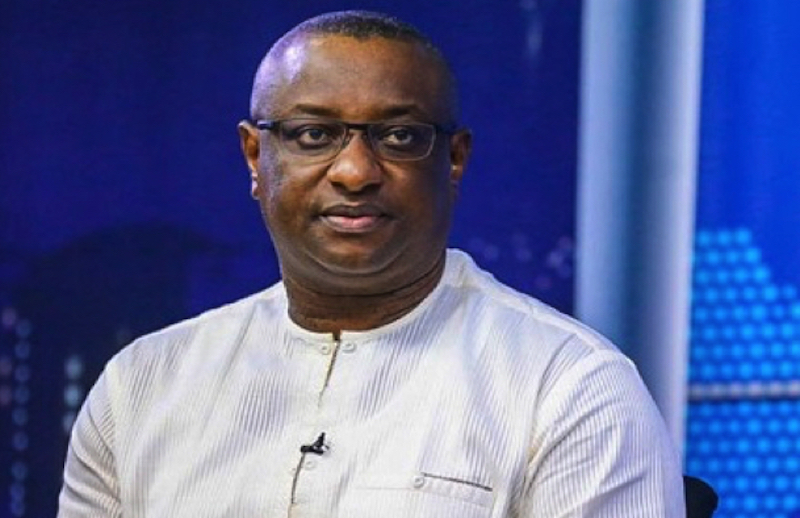
The Minister of Aviation and Aerospace Development, Festus Keyamo, gave the warning during a bilateral meeting with his Egyptian counterpart, Sameh El-Hefny, on the sidelines of the ongoing El-Alamein International Airshow (EIAS 2026) in Egypt.
According to a statement issued by Keyamo’s media aide, Tunde Moshood, the meeting focused on improving air connectivity between Nigeria and Egypt and strengthening cooperation between the two countries’ civil aviation authorities.
The discussions also covered the expansion of technical and professional capacity, as well as opportunities for greater collaboration among airlines, airports, regulators and other aviation stakeholders.
Keyamo specifically urged EgyptAir to deploy newer-generation aircraft on its Nigerian routes, rather than continuing with what Nigeria considers ageing aircraft.
“The minister also used the engagement to emphasise the need for a stronger and more modern fleet deployment by EgyptAir on its Nigerian routes,” Moshood said.
He said Keyamo urged the airline’s management to move away from the continued deployment of ageing aircraft and prioritise newer-generation aircraft in the Nigerian market.
According to the minister, fleet modernisation was essential to improving passenger experience, operational efficiency and the airline’s competitiveness.
Keyamo further stressed the strategic importance of Nigeria-Egypt aviation relations, noting that both countries occupy important positions within Africa’s aviation ecosystem.
He reaffirmed Nigeria’s commitment to expanding strategic international partnerships to improve air connectivity, promote tourism and trade, support airline growth and deliver greater value to passengers and the aviation industry.
The Nigerian delegation also expressed the country’s readiness to work with Egypt’s Ministry of Civil Aviation to identify areas of mutual cooperation, particularly within the framework of the Single African Air Transport Market (SAATM).
Responding, El-Hefny welcomed the engagement and reaffirmed Egypt’s commitment to deepening aviation cooperation with Nigeria.
He called for closer collaboration between the two countries to advance air transport development and strengthen links between their aviation industries.
The Egyptian minister also advocated stronger institutional cooperation between the African Civil Aviation Commission (AFCAC) and the League of Arab Civil Aviation (LACA).
“Enhanced collaboration between the two regional aviation bodies could promote stronger partnerships and facilitate greater cooperation among African and Arab States,” El-Hefny said.
The meeting ended with both ministers reaffirming their commitment to sustained dialogue, stronger institutional cooperation and initiatives aimed at delivering tangible benefits to the aviation sectors of Nigeria and Egypt.

Philippine Duru
philippineobetoduru@gmail.com
08034905774
Akwa Ibom State Governor, Umo Eno, has recounted his early experience in entrepreneurship, revealing that he once made not less than ₦10 million in a month from selling akara and bread.
Eno, who spoke while reflecting on his journey before entering public service, said the business experience played an important role in shaping his understanding of enterprise, hard work and wealth creation.
According to the governor, he started from a modest venture involving the sale of akara and bread before gradually expanding his business activities.
“I started selling akara and bread. I made not less than ₦10m in a month,” Eno said.
The governor’s account highlights the entrepreneurial path he pursued before rising through the ranks in business and eventually becoming governor of Akwa Ibom State.
Eno has frequently emphasised the importance of entrepreneurship and economic empowerment, particularly as a means of creating opportunities for young people and reducing dependence on government employment.
His recollection of the akara and bread business also underscored his view that small businesses, when properly managed and supported, can grow into significant sources of income and employment.
The governor’s comments come amid growing conversations around entrepreneurship, youth empowerment and the need to create sustainable livelihoods in Nigeria, where many young people are turning to small and medium-scale enterprises to earn a living.
Eno has continued to advocate policies and initiatives aimed at expanding economic opportunities and encouraging residents to become self-reliant through productive ventures.
His story of moving from selling akara and bread to occupying the highest political office in Akwa Ibom has also been presented as an example of how entrepreneurship, persistence and business experience can shape an individual’s journey to leadership.
The Nigerian Exchange Limited (NGX) rebounded last week, with the All-Share Index (ASI) gaining about 0.81 per cent to close at 241,298.47 points, as renewed investor interest in oil and gas and banking stocks lifted market sentiment.
The week’s gain translated into an estimated ₦1.29 trillion increase in market capitalisation, pushing the value of listed equities to about ₦155.83 trillion.
With the latest appreciation, the NGX’s year-to-date return remained strong at approximately 55 per cent, underscoring the market’s substantial gains despite intermittent periods of profit-taking and volatility.
The recovery was largely driven by buying interest in oil and gas and banking stocks, with Seplat Energy among the notable gainers during the week.
Market sentiment also received a boost from developments in Nigeria’s international financial-market standing. FTSE Russell confirmed the country’s reclassification to Frontier Market status, effective September 21, 2026, a move expected to influence international investor positioning toward Nigerian equities.
Further support came from Moody’s decision to revise Nigeria’s outlook to positive, reinforcing expectations that ongoing economic and fiscal reforms could improve the country’s credit profile.
Despite the positive performance, trading activity was relatively subdued, partly reflecting the shortened trading week. Market volume declined as investors adopted a more cautious approach amid prevailing economic uncertainties and profit-taking pressures.
Analysts said the latest rebound highlights continued investor appetite for fundamentally strong sectors, although the sustainability of the market’s upward trajectory will depend on macroeconomic conditions, corporate earnings, foreign investor participation and policy developments.
As investors enter a new trading week, attention is expected to remain on the performance of banking and energy stocks, while the implications of Nigeria’s forthcoming Frontier Market reclassification could further shape sentiment and capital flows into the equities market.


KACRAN urges northern governors to adopt Buni’s economic blueprint, seeks FG’s soft loans

Swiftthinkers Essay Competition: 40 Lagos pupils qualify for next stage

KACRAN raises alarm over livestock exodus, warns of threat to food security
-
 Business4 months ago
NGX surges as investors gain ₦3.19tn
-
 News4 months ago
APC’s budget for security jumps from #969b to ₦5.41tr
-
 News7 months ago
SERAP to Akpabio: Disclose officials involved in misappropriation of ₦200t from NNPC
-

 News6 months ago
Disquiet over whereabouts of ₦2.9 billion in key federal agencies
-

 Business9 years ago
The 9 worst mistakes you can ever make at work
-
News9 years ago
These ’90s fashion trends are making a comeback in 2017
-
 Business4 months ago
FCMB profit hits ₦202bn on first quarter performance
-
Entertainment9 years ago
The final 6 ‘Game of Thrones’ episodes might feel like a full season