
Business
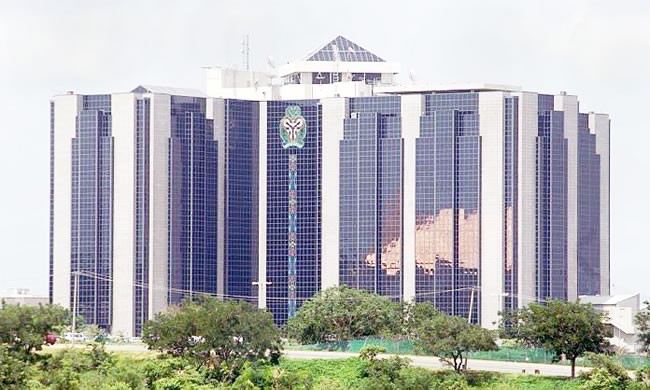
CBN withdraws over N3 trillion in single OMO auction

By Philippine Duru
philippineobetoduru@gmail.com
08034905774
The Central Bank of Nigeria (CBN) withdrew a massive N3.04 trillion from the financial system in a single Open Market Operation (OMO) auction conducted in early June, underscoring the apex bank’s aggressive efforts to manage excess liquidity, curb inflationary pressures, and stabilise the foreign exchange market.
The liquidity mop-up, one of the largest OMO interventions in recent years, attracted strong investor interest from banks, foreign portfolio investors, pension fund managers, and other institutional investors seeking to take advantage of the high yields offered on government-backed securities.
Market analysts said the development reflects the CBN’s determination to sustain its tight monetary policy stance amid persistent inflationary concerns and ongoing efforts to maintain stability in the foreign exchange market.
OMO bills are one of the key monetary policy instruments used by the central bank to regulate the amount of money circulating in the economy. By selling OMO securities to investors, the CBN effectively removes excess cash from the banking system, thereby reducing liquidity available for lending, speculation, and other economic activities that could fuel inflation.
The N3.04 trillion withdrawal comes at a time when the apex bank is intensifying efforts to tame inflation, which has remained elevated despite recent monetary tightening measures. The central bank has repeatedly emphasised the need to maintain a disciplined monetary environment to restore price stability and strengthen investor confidence.
Financial market participants noted that the size of the subscription highlights the abundance of liquidity in the financial system as well as investors’ appetite for relatively risk-free instruments offering attractive returns.
“The strong subscription demonstrates that there is still significant liquidity seeking investment outlets,” said a Lagos-based fixed-income analyst. “The CBN is using OMO auctions strategically to absorb excess funds and support its broader monetary policy objectives.”
The auction also reflects the growing attractiveness of Nigerian fixed-income securities following successive interest rate hikes implemented by the Monetary Policy Committee (MPC). Higher yields have continued to draw interest from both local and foreign investors looking to benefit from improved returns.
Analysts believe the liquidity withdrawal could have several implications for the broader economy. By reducing the amount of money available within the banking system, the CBN may help ease inflationary pressures and reduce demand-driven price increases. However, tighter liquidity conditions could also increase borrowing costs for businesses and consumers.
The banking sector is expected to feel the immediate impact of the liquidity absorption, as lenders may become more cautious in extending credit while competing for available funds. This could result in higher interbank lending rates and increased financing costs across various sectors of the economy.
Market observers also point to the potential positive impact on the foreign exchange market. Excess liquidity has often been linked to speculative demand for foreign currency, contributing to pressure on the naira. By mopping up surplus funds, the central bank may help reduce speculative activities and support exchange-rate stability.
Foreign portfolio investors have increasingly returned to Nigeria’s fixed-income market following reforms aimed at improving transparency in the foreign exchange market and restoring investor confidence. The attractive yields on OMO bills and Treasury securities have made Nigeria a more appealing destination for global capital seeking higher returns.
Economic analysts, however, caution that while liquidity tightening can help control inflation, it must be balanced against the need to support economic growth. Excessively restrictive monetary conditions could limit access to credit for businesses, potentially slowing investment and expansion activities.
The latest OMO auction is widely viewed as a signal that the CBN remains committed to maintaining a hawkish monetary policy stance in the near term. With inflation management, exchange-rate stability, and capital inflows remaining key policy priorities, analysts expect further liquidity management operations in the coming months.
As investors continue to respond positively to high-yield fixed-income instruments, attention will remain focused on the central bank’s next policy moves and their implications for inflation, economic growth, interest rates, and the broader financial markets.
The N3.04 trillion liquidity withdrawal marks another significant step in the CBN’s ongoing efforts to strengthen monetary stability, reinforce confidence in the financial system, and support Nigeria’s broader economic reform agenda.








By Philippine
philippineobetoduru@gmail.com
08034905774
O’tega Ogra has been elected President of the Advertisers Association of Nigeria for the 2026–2028 term, with a commitment to deepen collaboration with regulators, policymakers, and industry stakeholders to enhance the advertising sector’s contribution to Nigeria’s economic growth.
Ogra’s emergence as president marks a new chapter for the association as it seeks to strengthen the role of advertisers in shaping industry standards, promoting responsible marketing practices, and driving innovation in Nigeria’s rapidly evolving advertising and marketing communications landscape.
Speaking after his election, Ogra pledged to foster stronger engagement with government agencies, regulatory authorities, media organizations, and private sector stakeholders to create a more enabling environment for the advertising industry.
He said his administration would prioritize policy advocacy, industry collaboration, capacity building, and innovation while ensuring that the interests of advertisers are effectively represented in discussions on regulations affecting the sector.
According to him, closer collaboration between ADVAN and key regulatory institutions will help address industry challenges, improve compliance, and support policies that encourage sustainable growth across the advertising value chain.
Ogra also emphasized the need to strengthen partnerships with media owners, advertising agencies, digital platforms, research firms, and other stakeholders to improve transparency, enhance consumer trust, and promote ethical advertising practices.
Industry observers said the advertising sector plays a critical role in supporting business growth by helping companies build brands, expand market reach, stimulate consumer demand, and promote competition across various sectors of the economy.
They noted that as digital transformation continues to reshape consumer behavior, the industry must embrace innovation, data-driven marketing, artificial intelligence, and emerging technologies to remain competitive and deliver greater value to businesses.
Stakeholders further stressed that stronger engagement with regulators would be essential in developing policies that balance consumer protection with the need to encourage creativity, investment, and growth within the advertising ecosystem.
Under Ogra’s leadership, ADVAN is also expected to intensify advocacy for improved industry standards, greater professionalism, and stronger collaboration among advertisers, agencies, media organizations, and technology providers.
Analysts believe a more coordinated relationship between industry players and regulators could enhance investor confidence, attract greater advertising expenditure, and contribute to the growth of Nigeria’s creative and digital economy.
The advertising industry has increasingly become an important driver of economic activity, supporting sectors such as manufacturing, telecommunications, financial services, retail, entertainment, healthcare, and technology through strategic brand communication and consumer engagement.
Observers said ADVAN’s renewed focus on stakeholder engagement comes at a time when businesses are adapting to changing consumer preferences, expanding digital advertising investments, and navigating an increasingly complex regulatory environment.
They expressed optimism that the association’s new leadership would strengthen the voice of advertisers, encourage innovation, and promote policies capable of unlocking the full potential of Nigeria’s advertising industry.
With O’tega Ogra at the helm for the 2026–2028 term, stakeholders expect ADVAN to play a more active role in advancing industry reforms, fostering collaboration, and positioning advertising as a key contributor to Nigeria’s economic diversification and sustainable development.

By Philippine Duru
philippineobetoduru@gmail.com
08034905774
The Nigerian Ports Authority (NPA) has commenced the implementation of a $1 billion port modernization programme aimed at upgrading critical infrastructure, improving operational efficiency, and strengthening Nigeria’s position as a leading maritime and trade hub in West Africa.
The ambitious initiative is expected to transform the country’s port system through the rehabilitation and expansion of existing facilities, deployment of modern cargo-handling equipment, and adoption of advanced technologies to facilitate faster and more efficient port operations.
The programme forms part of the Federal Government’s broader strategy to improve the ease of doing business, reduce congestion at the nation’s seaports, and enhance the competitiveness of Nigeria’s maritime sector in regional and global trade.
According to the NPA, the modernization project will focus on rehabilitating aging port infrastructure, deepening operational capacity, improving quay walls, upgrading terminal facilities, and enhancing channel management to accommodate larger vessels and increasing cargo volumes.
Industry stakeholders believe the investment will significantly improve cargo turnaround time, reduce vessel waiting periods, lower logistics costs, and increase the overall efficiency of Nigeria’s port operations.
They noted that modern and efficient ports are essential for supporting international trade, attracting investment, and facilitating economic growth, particularly as Nigeria seeks to expand non-oil exports under the African Continental Free Trade Area (AfCFTA).
Maritime experts also said the modernization programme is expected to enhance the country’s competitiveness by improving the quality of port services and reducing delays that have historically increased the cost of doing business.
The project will also support the deployment of digital technologies to streamline cargo clearance processes, improve customs coordination, strengthen port security, and enhance transparency across the maritime value chain.
Analysts said the investment is likely to stimulate economic activities by creating employment opportunities during both the construction and operational phases while encouraging greater private sector participation in port development.
They added that improved port infrastructure would enhance supply chain efficiency, facilitate higher trade volumes, and reinforce Nigeria’s ambition to become the preferred maritime gateway for West and Central Africa.
Stakeholders further emphasized that sustained investment in port infrastructure remains critical to supporting industrialization, boosting exports, and improving Nigeria’s ranking in global logistics and trade performance indices.
The commencement of the $1 billion modernization programme underscores the Federal Government’s commitment to developing world-class maritime infrastructure capable of supporting long-term economic growth, regional integration, and increased international trade.
Industry observers expressed optimism that successful implementation of the project would strengthen Nigeria’s maritime competitiveness, improve service delivery at the nation’s seaports, and position the country to capture a larger share of regional cargo traffic in the years ahead.
By Philippine Duru
philippineobetoduru@gmail.com
0834905774
Nigeria’s foreign exchange (FX) market has achieved a historic milestone, recording transactions valued at $4.4 billion, a development that signals stronger market activity and growing participation by investors and authorized dealers.
The record turnover is being viewed by market participants as evidence of improving liquidity in the country’s foreign exchange market, following a series of reforms aimed at enhancing transparency, price discovery, and operational efficiency.
Analysts said the unprecedented transaction volume reflects increased activity from commercial banks, exporters, importers, foreign portfolio investors, and other market participants seeking to take advantage of improved access to foreign exchange.
The milestone comes as the Central Bank of Nigeria (CBN) continues to implement measures designed to deepen the Nigerian Foreign Exchange Market (NFEM), encourage market-driven pricing, and restore investor confidence.
According to financial experts, higher trading volumes generally indicate a more active and liquid market, allowing businesses and investors to buy and sell foreign currencies more efficiently while reducing transaction bottlenecks.
However, despite the positive development, analysts cautioned that they are closely monitoring unusual trading patterns and evolving liquidity trends to determine whether the record turnover reflects sustained improvements in market fundamentals or short-term trading activity.
Some market observers noted that while increased turnover is a positive indicator, the quality and sustainability of liquidity remain critical to ensuring long-term exchange rate stability and efficient market functioning.
They stressed that consistent foreign exchange inflows from oil exports, non-oil exports, diaspora remittances, and foreign investments would be essential to maintaining the momentum and supporting the naira over the long term.
Economists also pointed out that a deeper and more liquid foreign exchange market could enhance investor confidence, improve access to foreign currency for manufacturers and businesses, and support international trade by reducing delays in foreign exchange transactions.
They added that continued policy consistency and effective regulatory oversight would be necessary to sustain market confidence and prevent excessive volatility.
The record $4.4 billion turnover underscores the increasing depth of Nigeria’s foreign exchange market and highlights the impact of ongoing reforms aimed at creating a more transparent, competitive, and resilient financial system.
While stakeholders have welcomed the milestone, market participants say attention will remain focused on liquidity conditions, trading behaviour, and the ability of the market to sustain high transaction volumes without triggering excessive exchange rate volatility.
Analysts believe that if current reforms are maintained and foreign exchange inflows continue to improve, Nigeria’s FX market could become more attractive to both domestic and international investors, further strengthening the country’s financial markets and supporting broader economic growth.


Fight insecurity, not opposition- ADC tells Tinubu

City Boy Movement targets eight million South-West votes for Tinubu

Migration Won the 2026 World Cup. It Is Still Treated Like a Crime at the Border
-

 News9 years ago
These ’90s fashion trends are making a comeback in 2017
-
Business9 years ago
The 9 worst mistakes you can ever make at work
-
Entertainment9 years ago
The final 6 ‘Game of Thrones’ episodes might feel like a full season
-

 News4 months ago
SERAP to Akpabio: Disclose officials involved in misappropriation of ₦200t from NNPC
-
News9 years ago
According to Dior Couture, this taboo fashion accessory is back
-

 News4 months ago
Disquiet over whereabouts of ₦2.9 billion in key federal agencies
-
Sports9 years ago
Phillies’ Aaron Altherr makes mind-boggling barehanded play
-
Entertainment9 years ago
The old and New Edition cast comes together to perform