
Business
Jennifer Adighije led NDPHC successfully concludes transformer acceptance tests in India


In a move that signals a paradigm shift in the management of Nigeria’s energy assets, the Niger Delta Power Holding Company (NDPHC) has successfully concluded rigorous Factory Acceptance Tests (FAT) for a high-capacity 1x15MVA 33/11kv transformer set for delivery to the Agbara Industrial Area Ogun State. This moves seeks to deliver an unprecedented access to Grid connection for some unserved industries in the cluster that have prayed for this intervention for decades. Under the visionary leadership of Managing Director, Engr. Jennifer Adighije, this technical milestone represents a decisive “green light” for the deployment of world-class equipment and deployment of infrastructure, ensuring that every piece of equipment integrated into the national grid meets the highest global standards of quality, durability and efficiency.
The successful completion of these tests in India is far more than a routine inspection; it is a strategic safeguard against the technical failures that have historically plagued the power sector. By subjecting these multi-million Naira assets to gruelling performance simulations before they ever touch Nigerian soil, Adighije’s administration is effectively eliminating the risk of substandard hardware. This proactive approach ensures that the new transformers are perfectly calibrated to withstand the unique load patterns and environmental rigors of the Nigerian landscape, thereby maximizing the lifespan of the nation’s power investments.
This initiative is a management philosophy championed by Engr. Adighije that prioritizes transparency, precision, and “eyes-on” leadership. By personally overseeing the verification of these critical assets abroad, the NDPHC leadership has sent a clear message to international partners and domestic stakeholders alike: the era of passive procurement is over. This hands-on oversight guarantees that the 1x15MVA transformers are not just functional, but optimized to significantly reduce technical losses that currently undermine electricity distribution across the federation.
The technical implications of this milestone are set to be felt directly by industries in Agbara that have since grappled with high costs of self-generated electricity. The 1x15MVA transformer is specifically engineered to bolster substation capacity, acting as a critical bridge in the “stepping down” of high-voltage electricity for safer local consumption. Once installed, these units will be providing the much-needed stability required to industries and illuminate communities that have long struggled with inconsistent supply.
Beyond the immediate engineering victory, this India mission underscores a deepening strategic partnership between Nigeria and global manufacturing powerhouses. It fosters a culture of rigorous accountability, proving that the NDPHC is committed to a value-for-money plan where public funds are translated into tangible, high-performance hardware. This international collaboration places Nigeria’s power sector on a pedestal of global best practices, attracting confidence from investors and development partners who see a modernized, disciplined approach to infrastructure growth.
As the NDPHC continues its aggressive drive to bridge the energy gap, Engr. Jennifer Adighije’s administration is being lauded for steering the agency away from the inefficient cycles of the past. This latest triumph in India serves as a powerful testament to a new leadership era defined by technical excellence and an unwavering commitment to national progress. For a nation hungry for industrialization, these milestones are the building blocks of a modernized grid capable of powering Nigeria’s aspirations well into the future.
By Philippine Duru
philippineobetoduru@gmail.com
08034905774
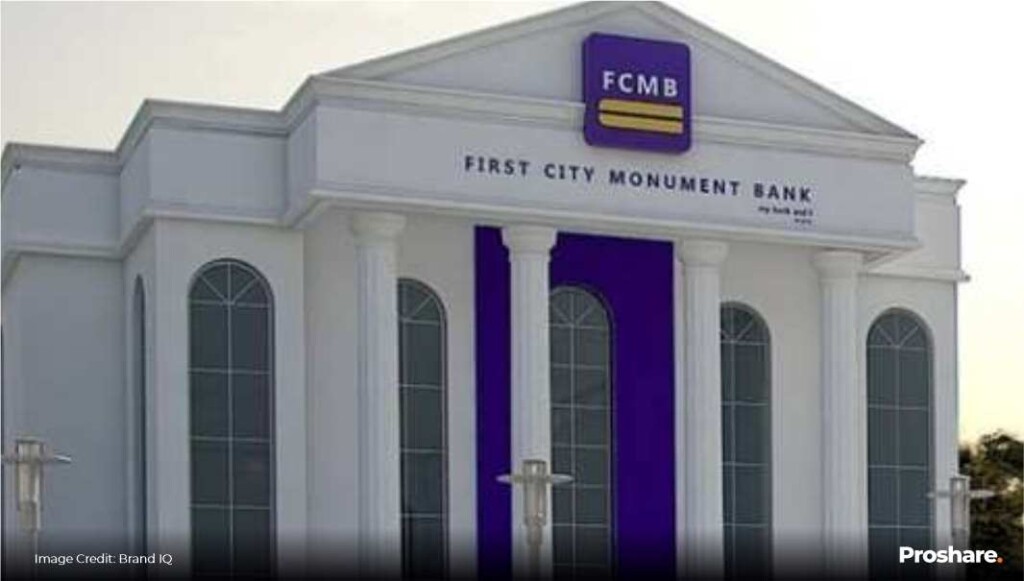
FCMB Group Plc has reported a robust financial performance, recording a full-year profit of ₦202 billion, supported by a strong first-quarter showing of ₦87 billion, underscoring the banking group’s resilient earnings capacity amid a challenging macroeconomic environment.
The latest results highlight continued growth across key revenue lines, driven by improved interest income, expanded lending activities, and stronger performance from non-interest income streams, including digital banking and transaction-based services.
The group’s first-quarter profit of ₦87 billion set the tone for the year, reflecting sustained momentum in core banking operations and enhanced efficiency across its subsidiaries. Analysts say the performance signals FCMB’s ability to navigate inflationary pressures, currency volatility, and tightening monetary conditions while maintaining profitability.
The strong earnings were largely supported by increased interest income, as higher benchmark interest rates boosted returns on loans and investment securities. FCMB also benefited from improved asset yields and disciplined risk management practices that helped contain credit losses.
Non-interest revenue also contributed meaningfully to overall performance, driven by growth in electronic banking transactions, fee-based services, and increased adoption of digital platforms across its retail and corporate customer base.
The group’s diversified structure—spanning commercial banking, asset management, investment banking, and consumer finance—has continued to provide a buffer against sector-specific risks, allowing it to maintain stable earnings growth despite economic headwinds.
Market analysts noted that FCMB’s results reflect broader trends within Nigeria’s banking sector, where rising interest rates and ongoing financial system reforms have supported stronger profitability for well-capitalized institutions.
However, they also cautioned that elevated inflation, regulatory changes, and foreign exchange volatility could continue to pose risks to asset quality and cost management in the coming quarters.
Despite these challenges, FCMB’s performance has been viewed positively by investors, with the group demonstrating consistent earnings growth and improved operational efficiency over recent reporting periods.
The banking group has also continued to invest in digital transformation initiatives aimed at expanding financial inclusion, improving customer experience, and strengthening its competitive position in Nigeria’s increasingly technology-driven financial services landscape.
Analysts believe FCMB’s strong quarterly and full-year results could support improved investor sentiment, particularly as the bank continues to optimize its balance sheet and expand its lending portfolio in key sectors of the economy.
The results further reinforce the resilience of Nigeria’s banking sector, which has benefited from monetary tightening, improved pricing of risk assets, and increased demand for financial services amid a recovering economy.
Looking ahead, FCMB is expected to focus on sustaining earnings momentum, managing cost pressures, and strengthening its capital position as regulatory expectations around banking recapitalization continue to evolve.
With a full-year profit of ₦202 billion and a strong ₦87 billion quarterly performance, FCMB Group has signaled its continued strength in Nigeria’s competitive banking landscape, positioning itself for further growth in the months ahead.
By Philippine Duru
philippineobetoduru@gmail.com
08034905774
Conoil Plc, the oil marketing company owned by Nigerian billionaire Mike Adenuga, has announced a sharp reduction in its full-year 2025 dividend after posting a steep decline in profitability, reflecting mounting pressure in the downstream oil sector.
The company revealed that its net profit plunged by about 75 per cent year-on-year, forcing a significant downward revision of shareholder returns as earnings weakened across its core business segments.
As a result of the earnings contraction, Conoil slashed its FY’25 dividend payout by nearly half compared to the previous financial year, marking one of its most substantial dividend reductions in recent years and signalling a more cautious outlook for investors.
The profit downturn was attributed to a combination of rising operating costs, foreign exchange volatility, tighter margins in petroleum product distribution, and competitive pressures in Nigeria’s deregulated downstream oil market. Industry analysts also pointed to broader macroeconomic headwinds, including inflationary pressures and fluctuating global crude oil dynamics, as contributing factors.
Despite the decline, the company maintained that it remains fundamentally resilient, with management emphasizing ongoing efforts to optimize operations, strengthen supply chain efficiency, and protect profitability amid a challenging market environment.
Conoil operates across the downstream oil and gas value chain, including petroleum product marketing, aviation fuel supply, and lubricant production and distribution. The sector has faced increasing volatility since Nigeria fully deregulated petrol pricing, exposing marketers to sharper input cost swings and more competitive pricing structures.
Analysts say the steep drop in earnings reflects the broader struggles of oil marketing firms adjusting to post-subsidy removal realities, where margins are increasingly influenced by global pricing trends and foreign exchange liquidity conditions.
Market observers noted that the dividend cut may weigh on investor sentiment in the short term, particularly among income-focused shareholders who have historically relied on Conoil for stable dividend returns.
However, some analysts argue that the reduction may be a necessary step to preserve balance sheet strength and support reinvestment in operations at a time when the downstream sector is undergoing structural transformation.
“Profitability across oil marketing companies has become more volatile due to deregulation and FX pressures. Firms are now prioritizing liquidity retention and operational efficiency over aggressive dividend payouts,” a Lagos-based energy analyst said.
The company’s performance also reflects broader trends in Nigeria’s oil and gas marketing industry, where firms are grappling with elevated logistics costs, foreign currency exposure, and shifting demand patterns.
Despite the weak earnings, Conoil is expected to continue benefiting from its strong brand presence and extensive retail network, which remain key competitive advantages in the downstream sector.
Investors will now be watching closely for signals on whether the earnings slump represents a cyclical downturn or a more prolonged adjustment phase for the company as Nigeria’s fuel market continues to evolve.
The sharp reduction in dividend payout underscores the increasing pressure on listed energy firms to balance shareholder returns with operational sustainability in an era of heightened market volatility and regulatory transition.
By Philippine Duru
philippineobetoduru@gmail.com
08034905774
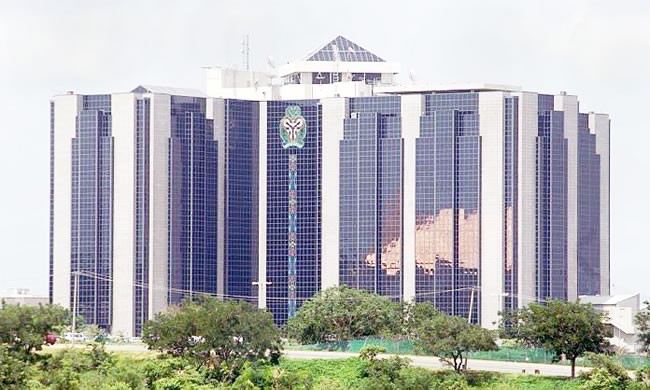
The Central Bank of Nigeria (CBN) has intensified its monetary tightening measures, withdrawing approximately ₦6.88 trillion from the financial system in recent weeks as part of efforts to curb excess liquidity, tame inflationary pressures, and support stability in the foreign exchange market.
The liquidity mop-up coincides with the launch of the Nigeria Foreign Exchange Code and Market Framework (NOFAR), a major initiative designed to deepen Nigeria’s financial markets, strengthen governance standards, and improve transparency across the foreign exchange ecosystem.
The twin policy actions highlight the apex bank’s commitment to sustaining macroeconomic stability while fostering a more efficient and credible financial market environment.
The liquidity withdrawals were executed through a series of Open Market Operations (OMO) and other monetary policy instruments aimed at reducing the volume of cash available within the banking sector. Analysts say the move is intended to reinforce the impact of the CBN’s tight monetary stance and prevent excess liquidity from fueling inflation and currency speculation.
Over the past year, the central bank has maintained an aggressive anti-inflation strategy, relying on higher interest rates and liquidity management tools to moderate price pressures and stabilize the naira. The latest intervention signals that monetary authorities remain focused on keeping inflation under control despite signs of improving economic activity.
Financial market participants noted that the withdrawal of nearly ₦7 trillion from the banking system represents one of the most significant liquidity sterilization exercises undertaken by the CBN in recent months.
According to analysts, the action is expected to tighten money market conditions, support yields on fixed-income securities, and discourage speculative demand for foreign exchange.
“The CBN is sending a strong signal that it intends to maintain monetary discipline and preserve stability in the financial system. The scale of the liquidity withdrawal demonstrates the bank’s commitment to combating inflationary pressures and supporting exchange-rate stability,” an investment analyst said.
In a parallel development, the apex bank unveiled NOFAR, a comprehensive framework aimed at promoting ethical conduct, transparency, and efficiency within Nigeria’s financial markets.
The framework is expected to establish clear operational standards for market participants while aligning local market practices with internationally recognized principles. Industry stakeholders believe the initiative could play a significant role in strengthening investor confidence and improving the overall functioning of Nigeria’s foreign exchange market.
Market experts say NOFAR is designed to enhance accountability among financial institutions, improve price discovery mechanisms, and encourage greater compliance with global best practices.
The introduction of the framework forms part of broader reforms undertaken by the CBN to modernize the country’s financial architecture and attract increased foreign investment.
Analysts believe that improved transparency and governance standards could help restore investor confidence, particularly among international portfolio investors who have closely monitored developments in Nigeria’s foreign exchange market.
The combined impact of tighter liquidity conditions and enhanced market governance is expected to influence several segments of the financial system. While banks may face reduced liquidity levels in the short term, the measures could contribute to a more stable macroeconomic environment over the longer term.
Investors in the fixed-income market are also likely to benefit from higher yields as liquidity conditions tighten, while a more transparent foreign exchange market could support increased participation from both local and foreign investors.
Economic experts argue that the success of the initiatives will depend on sustained implementation and continued policy consistency. They note that liquidity management alone may not be sufficient to address inflationary pressures unless accompanied by complementary fiscal and structural reforms.
Nevertheless, the CBN’s latest actions underscore its determination to balance monetary stability with financial market development. By aggressively mopping up excess liquidity and introducing a framework aimed at improving market integrity, the apex bank is seeking to create a more resilient financial system capable of supporting long-term economic growth.
As market participants assess the implications of the measures, attention will remain focused on their impact on inflation, interest rates, exchange-rate stability, and overall investor confidence in Nigeria’s economy.


SAN reacts to deregistration of ADC, others

Six-yr-single term: SAN speaks on right framework

Monarch’s wife shot as hoodlums abduct husband
-

 News9 years ago
These ’90s fashion trends are making a comeback in 2017
-
Entertainment9 years ago
The final 6 ‘Game of Thrones’ episodes might feel like a full season
-
Business9 years ago
The 9 worst mistakes you can ever make at work
-
News9 years ago
According to Dior Couture, this taboo fashion accessory is back
-
Sports9 years ago
Phillies’ Aaron Altherr makes mind-boggling barehanded play
-
Entertainment9 years ago
The old and New Edition cast comes together to perform
-

 News3 months ago
SERAP to Akpabio: Disclose officials involved in misappropriation of ₦200t from NNPC
-
Entertainment9 years ago
Mod turns ‘Counter-Strike’ into a ‘Tekken’ clone with fighting chickens