
World News
340,000 families affected as 8,000 migrants die in 2025

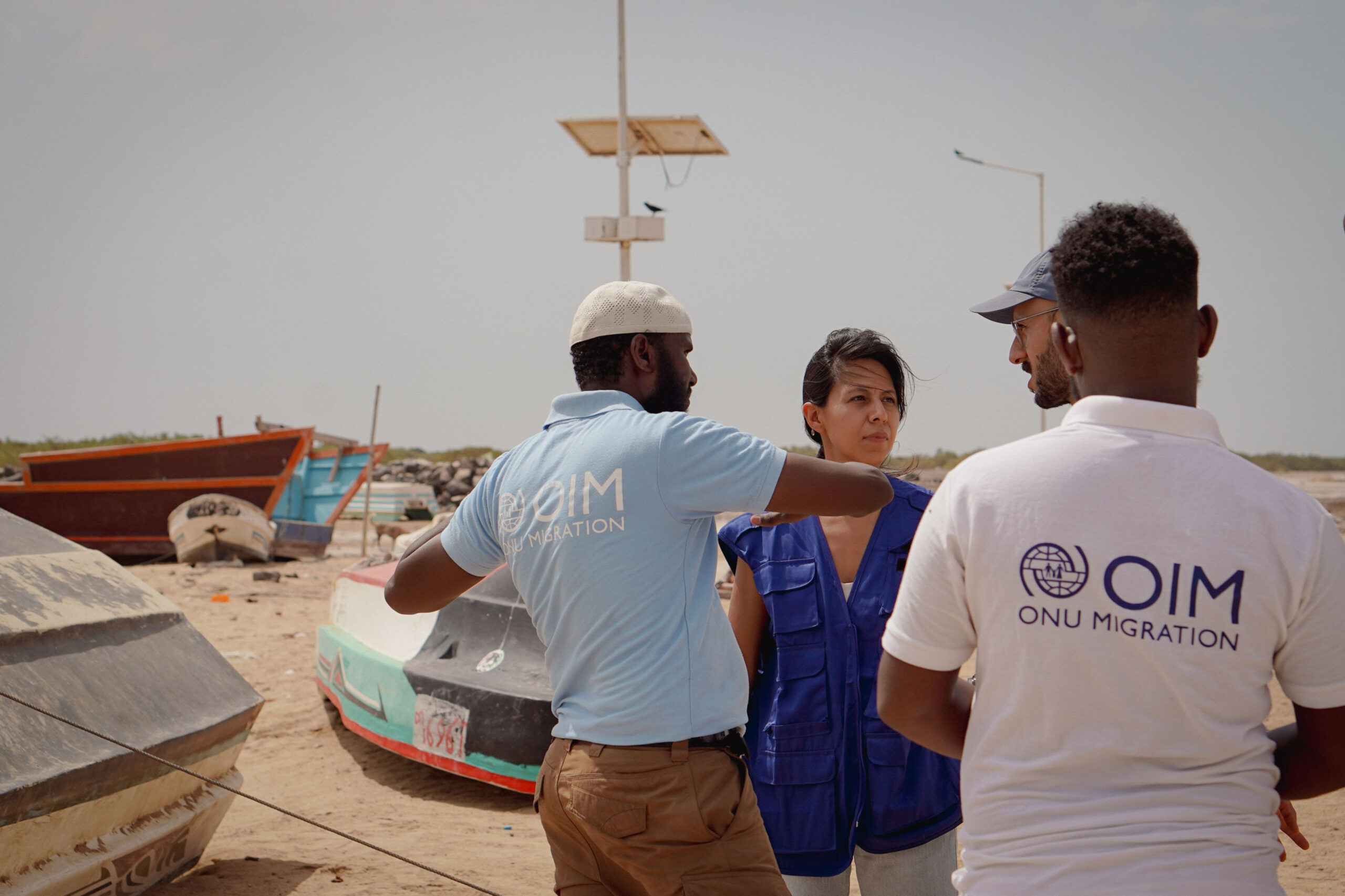
About 8,000 migrants have been reported to have either died or missing worldwide last year.
The figure brings the total since 2014 to more than 82,000, according to new data released today by the International Organization for Migration (IOM). At least around 340,000 family members are estimated to have been directly affected. Despite declines in arrivals in some regions, the data shows migration routes are shifting rather than easing, with risks remaining high along increasingly dangerous journeys.
The findings draw on IOM’s Displacement Tracking Matrix (DTM) Global Overview of Migration Routes and new analysis from the Missing Migrants Project (MMP). DTM tracks movements, changing routes and conditions along migration corridors through direct field monitoring and governmental data sources, while MMP documents migrant deaths and disappearances using official records, media reports and information from IOM missions worldwide. Together, the reports show how drivers at origin and policy changes along the routes are reshaping migration journeys, while the human cost of unsafe migration continues to rise.
“Routes are shifting in response to conflict, climate pressures and policy changes, but the risks are still very real,” said IOM Director General Amy Pope. “Behind these numbers are people taking dangerous journeys and families left waiting for news that may never come. Data is critical to understanding these routes and designing interventions that can reduce risks, save lives and promote safer migration pathways.”
The 2025 Global Overview of Migration Routes shows that lower arrival figures in some regions do not reflect reduced migration pressure, but rather changing journeys as enforcement measures, conflict dynamics and environmental stress have altered established pathways.
In the Americas, northbound movements along the Central American route fell sharply compared to 2024. In Europe, overall arrivals declined, but the profile of movements changed, with Bangladeshi nationals becoming the largest group arriving while Syrian arrivals fell following political and policy shifts.
In the Horn of Africa, movements towards the Kingdom of Saudi Arabia decreased slightly from 2024 but remained above 2023 levels, while flows from East Africa towards Southern Africa increased late in the year due to shifting labour demands in southern Ethiopia. Along the Western African Atlantic route, arrivals to the Canary Islands dropped significantly after strengthened border cooperation, but journeys have become longer, riskier and more geographically dispersed.
Across regions, DTM data shows persistent pressures along migration routes. Thousands of migrants were stranded in border areas with limited access to shelter, health care and protection, while returns and relocations increased, placing additional strain on local services and complicating reintegration.
Together, the findings show that changing routes do not mean reduced harm. As journeys become more fragmented and hazardous, deaths, disappearances and the suffering of families left behind remain a persistent reality.
The reports reflect IOM’s route-based approach, linking mobility tracking with analysis of risks and fatalities to better target interventions, prioritize resources and support governments along key migration corridors.
Ahead of the International Migration Review Forum in May, IOM is calling for renewed commitments to protect migrants, prevent deaths and disappearances, and better support families affected by migration tragedies. The Organization says the evidence is clear: fewer movements do not automatically mean safer journeys, and saving lives requires stronger international cooperation and sustained investment in evidence-based responses.

Report by ewtnvatican.com says the Pontiff will undertake an apostolic journey to France from Sept. 25 – 28, a visit which will include a stop at the headquarters of UNESCO.
The trip was officially announced on May 16 by Vatican spokesman Matteo Bruni. The Holy See did not immediately release the full itinerary of the trip.
The pope had already visited Turkey and Lebanon (in late 2025) and Monte Carlo (in March 2026).
In April he undertook a major voyage to Africa — with the trip spanning Algeria, Cameroon, Angola, and Equatorial Guinea — and is scheduled to visit Spain from June 6 – 12.
He is widely expected to also visit Latin America in the fall.
The last visit by a pope to France dates to Dec. 15, 2024, when Pope Francis travelled to Ajaccio, Corsica.

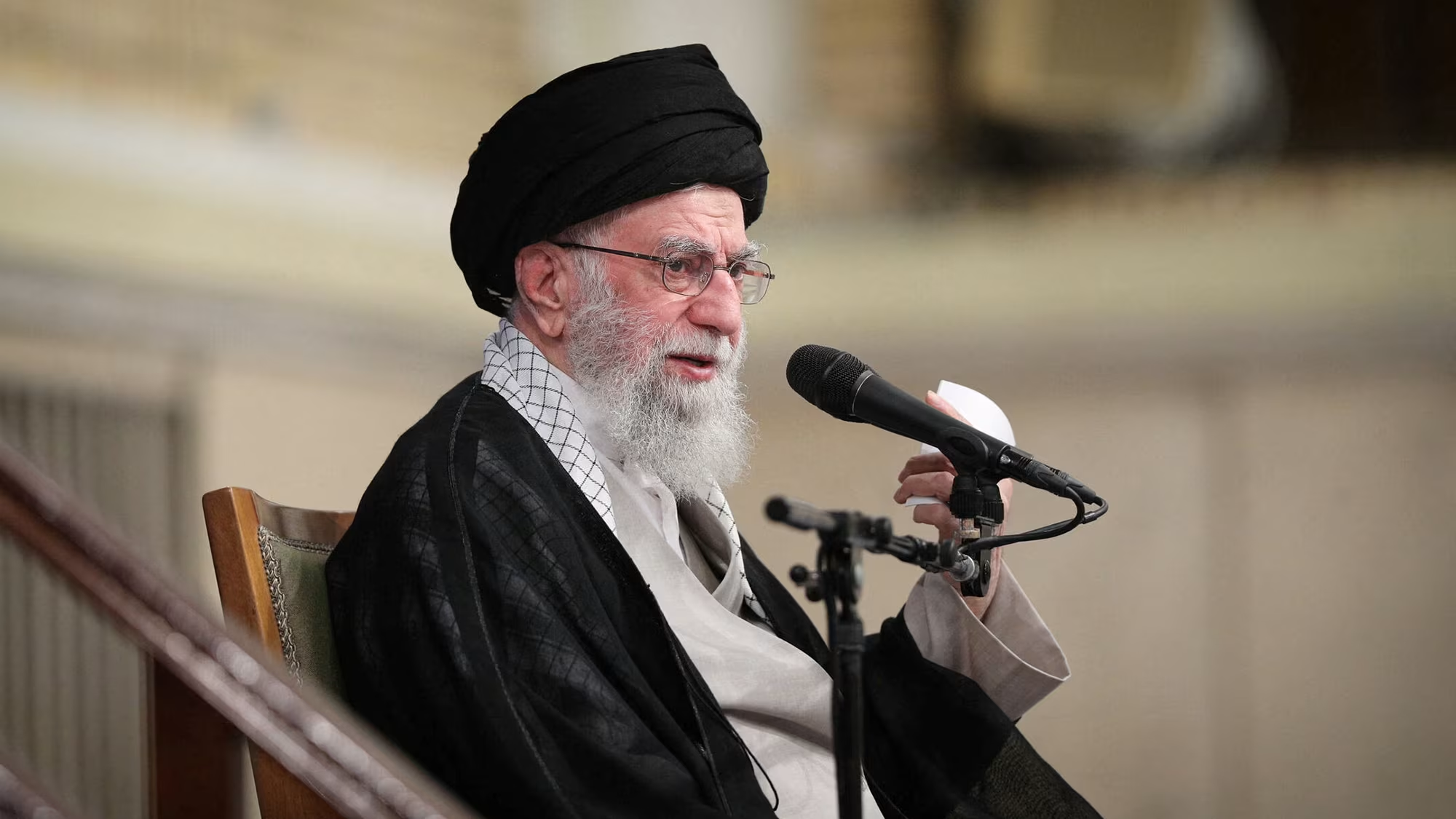
Many world leaders have been killed while in power in the last 63 years. Will there ever be an end to this?
See list below.
Ayatollah Ali Khamenei (1939–2026)
On February 28, 2026, Ayatollah Ali Khamenei, Iran’s supreme leader for 36 years, was killed during a massive joint airstrike by the US and Israel on Iran. He served as both the head of state and the commander-in-chief of the armed forces, including the elite Revolutionary Guards. He was one of the longest-serving rulers in the world.
Anwar Sadat (1918–1981)
Egyptian president Anwar Sadat was assassinated on October 6, 1981, while attending a victory parade in Cairo. He was killed by members of the Egyptian Islamic Jihad, likely because of Sadat’s peace initiative with Israel and the United States.
Yitzhak Rabin (1922–1995)
On November 4, 1995, Yigal Amir, an Israeli law student and right-wing extremist, shot and killed Yitzhak Rabin, the prime minister of Israel. Amir opposed Rabin’s peace initiative, particularly the signing of the Oslo Accords.
John F. Kennedy (1917–1963)
John F. Kennedy, the 35th president of the United States, was assassinated in Dallas, Texas, on November 22, 1963. Lee Harvey Oswald was arrested and charged with Kennedy’s murder, but he was shot and killed by Jack Ruby before he could be brought to trial.
Indira Gandhi (1917–1984)
Indira Gandhi served as the prime minister of India from 1966 to 1977 and again from 1980 until her assassination in 1984. She was killed by two of her Sikh bodyguards, apparently in revenge for Operation Blue Star—the removal of Sikh militants from the Golden Temple in Amritsar.
Rajiv Gandhi (1944–1991)
Rajiv Gandhi, who took office as prime minister after his mother’s death, also met a violent end. He was killed on May 21, 1991, by a female member of the Liberation Tigers of Tamil Eelam, who detonated a bomb that killed Rajiv Gandhi and at least 14 other people.
Park Chung Hee (1917–1979)
Park Chung Hee served as the third president of South Korea from 1963 until his assassination on October 26, 1979. His killer was Kim Jae-gyu, director of the country’s National Intelligence Service.
Olof Palme (1927–1986)
The assassination of Olaf Palme on February 28, 1986, remains unsolved. Palme, the prime minister of Sweden, was shot and killed while walking home from a cinema with his wife in central Stockholm. In 1989, Christer Pettersson was convicted of the murder, but acquitted on appeal the following year. Despite police naming and arresting other suspects, no one else was charged with Palme’s murder.
Laurent Kabila (1939–2001)
Congolese rebel and politician Laurent Kabila served as president of the Democratic Republic of the Congo from 1997 until his assassination on January 16, 2001. It’s believed one of his bodyguards gunned him down. The investigation into Kabila’s death led to the arrest and subsequent jailing of 23 soldiers linked to the murder.
Hendrik Verwoerd (1901–1966)
Often referred to as the architect of apartheid, Hendrik Verwoerd served as prime minister of South Africa from 1958 until his assassination in 1966. Verwoerd had survived a previous assassination attempt in 1960, but six years later was stabbed to death in Cape Town by a man called Dimitri Tsafendas.
Adapted from report by Stars Insider


NGX sustains bullish momentum as All-Share index nears 250,000 points

Dangote refinery draws massive investor interest ahead of IPO

Nigeria government seeks to deepen economic diversification and reduce oil dependency
-

 News9 years ago
These ’90s fashion trends are making a comeback in 2017
-
Entertainment9 years ago
The final 6 ‘Game of Thrones’ episodes might feel like a full season
-
News9 years ago
According to Dior Couture, this taboo fashion accessory is back
-
Business9 years ago
The 9 worst mistakes you can ever make at work
-
Sports9 years ago
Phillies’ Aaron Altherr makes mind-boggling barehanded play
-
Entertainment9 years ago
The old and New Edition cast comes together to perform
-
Business9 years ago
Uber and Lyft are finally available in all of New York State
-
Entertainment9 years ago
Mod turns ‘Counter-Strike’ into a ‘Tekken’ clone with fighting chickens