
World News
10 powerful leaders killed in 63 years

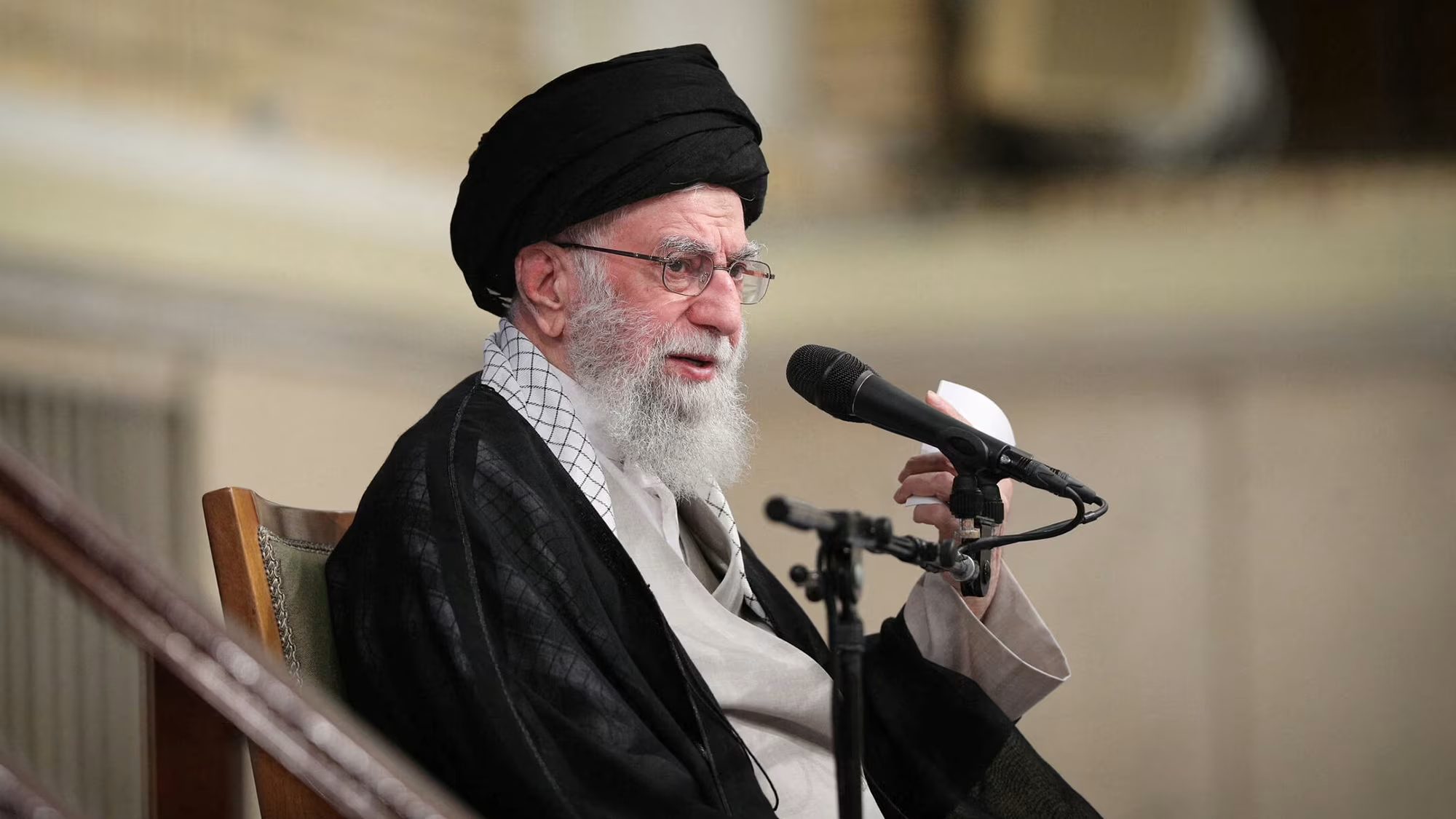
Many world leaders have been killed while in power in the last 63 years. Will there ever be an end to this?
See list below.
Ayatollah Ali Khamenei (1939–2026)
On February 28, 2026, Ayatollah Ali Khamenei, Iran’s supreme leader for 36 years, was killed during a massive joint airstrike by the US and Israel on Iran. He served as both the head of state and the commander-in-chief of the armed forces, including the elite Revolutionary Guards. He was one of the longest-serving rulers in the world.
Anwar Sadat (1918–1981)
Egyptian president Anwar Sadat was assassinated on October 6, 1981, while attending a victory parade in Cairo. He was killed by members of the Egyptian Islamic Jihad, likely because of Sadat’s peace initiative with Israel and the United States.
Yitzhak Rabin (1922–1995)
On November 4, 1995, Yigal Amir, an Israeli law student and right-wing extremist, shot and killed Yitzhak Rabin, the prime minister of Israel. Amir opposed Rabin’s peace initiative, particularly the signing of the Oslo Accords.
John F. Kennedy (1917–1963)
John F. Kennedy, the 35th president of the United States, was assassinated in Dallas, Texas, on November 22, 1963. Lee Harvey Oswald was arrested and charged with Kennedy’s murder, but he was shot and killed by Jack Ruby before he could be brought to trial.
Indira Gandhi (1917–1984)
Indira Gandhi served as the prime minister of India from 1966 to 1977 and again from 1980 until her assassination in 1984. She was killed by two of her Sikh bodyguards, apparently in revenge for Operation Blue Star—the removal of Sikh militants from the Golden Temple in Amritsar.
Rajiv Gandhi (1944–1991)
Rajiv Gandhi, who took office as prime minister after his mother’s death, also met a violent end. He was killed on May 21, 1991, by a female member of the Liberation Tigers of Tamil Eelam, who detonated a bomb that killed Rajiv Gandhi and at least 14 other people.
Park Chung Hee (1917–1979)
Park Chung Hee served as the third president of South Korea from 1963 until his assassination on October 26, 1979. His killer was Kim Jae-gyu, director of the country’s National Intelligence Service.
Olof Palme (1927–1986)
The assassination of Olaf Palme on February 28, 1986, remains unsolved. Palme, the prime minister of Sweden, was shot and killed while walking home from a cinema with his wife in central Stockholm. In 1989, Christer Pettersson was convicted of the murder, but acquitted on appeal the following year. Despite police naming and arresting other suspects, no one else was charged with Palme’s murder.
Laurent Kabila (1939–2001)
Congolese rebel and politician Laurent Kabila served as president of the Democratic Republic of the Congo from 1997 until his assassination on January 16, 2001. It’s believed one of his bodyguards gunned him down. The investigation into Kabila’s death led to the arrest and subsequent jailing of 23 soldiers linked to the murder.
Hendrik Verwoerd (1901–1966)
Often referred to as the architect of apartheid, Hendrik Verwoerd served as prime minister of South Africa from 1958 until his assassination in 1966. Verwoerd had survived a previous assassination attempt in 1960, but six years later was stabbed to death in Cape Town by a man called Dimitri Tsafendas.
Adapted from report by Stars Insider
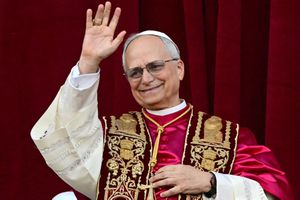
Report by ewtnvatican.com says the Pontiff will undertake an apostolic journey to France from Sept. 25 – 28, a visit which will include a stop at the headquarters of UNESCO.
The trip was officially announced on May 16 by Vatican spokesman Matteo Bruni. The Holy See did not immediately release the full itinerary of the trip.
The pope had already visited Turkey and Lebanon (in late 2025) and Monte Carlo (in March 2026).
In April he undertook a major voyage to Africa — with the trip spanning Algeria, Cameroon, Angola, and Equatorial Guinea — and is scheduled to visit Spain from June 6 – 12.
He is widely expected to also visit Latin America in the fall.
The last visit by a pope to France dates to Dec. 15, 2024, when Pope Francis travelled to Ajaccio, Corsica.
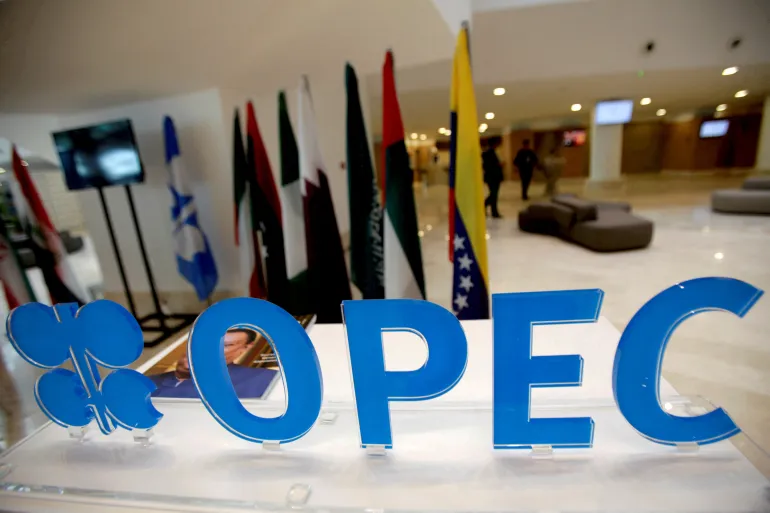
The Organization of the Petroleum Exporting Countries. Has started disintegrating sixty four years after its establishment. OPEC was established in September 1960.
The United Arab Emirates announced it is withdrawing from OPEC and the broader OPEC+, delivering a significant setback to the oil-producing bloc and its de facto leader, Saudi Arabia, at a time when the ongoing Iran war has triggered a major global energy shock.
The departure of the UAE, a longstanding member of OPEC, is expected to create uncertainty within the group, which has traditionally maintained a united front despite internal disagreements over geopolitics and production quotas.
UAE Energy Minister Suhail Mohamed al-Mazrouei told Reuters the decision followed a strategic review of the country’s energy direction.
“This is a policy decision, it has been done after a careful look at current and future policies related to level of production,” said the energy minister.
When asked whether the UAE consulted with Saudi Arabia, he said the country did not raise the issue with any other nation.
The decision comes amid mounting tensions in the Strait of Hormuz, where Gulf producers have struggled to move exports due to Iranian threats and attacks on vessels. The strategic waterway typically handles about a fifth of the world’s crude oil and liquefied natural gas shipments.
Mazrouei downplayed the immediate market impact, citing the already volatile situation in the strait.
However, the move is seen as a geopolitical win for Donald Trump, who has repeatedly criticised OPEC for inflating oil prices.
Trump has also tied U.S. military support for Gulf nations to oil pricing, arguing that while the U.S. provides security, OPEC members “exploit this by imposing high oil prices”.
The UAE’s exit also follows growing frustration with regional allies during the conflict with Iran. The country, a major business hub and key U.S. partner, had criticised fellow Arab states for what it sees as inadequate support in the face of repeated Iranian attacks.
Anwar Gargash, diplomatic adviser to the UAE president, voiced those concerns during a session at the Gulf Influencers Forum.
“The Gulf Cooperation Council countries supported each other logistically, but politically and militarily, I think their position has been the weakest historically,” Gargash said.
“I expect this weak stance from the Arab League and I am not surprised by it, but I haven’t expected it from the (Gulf) Cooperation Council and I am surprised by it,” he added.


NGX sustains bullish momentum as All-Share index nears 250,000 points

Dangote refinery draws massive investor interest ahead of IPO

Nigeria government seeks to deepen economic diversification and reduce oil dependency
-

 News9 years ago
These ’90s fashion trends are making a comeback in 2017
-
Entertainment9 years ago
The final 6 ‘Game of Thrones’ episodes might feel like a full season
-
News9 years ago
According to Dior Couture, this taboo fashion accessory is back
-
Business9 years ago
The 9 worst mistakes you can ever make at work
-
Sports9 years ago
Phillies’ Aaron Altherr makes mind-boggling barehanded play
-
Entertainment9 years ago
The old and New Edition cast comes together to perform
-
Business9 years ago
Uber and Lyft are finally available in all of New York State
-
Entertainment9 years ago
Mod turns ‘Counter-Strike’ into a ‘Tekken’ clone with fighting chickens