
News
Report reveals shocking statistics of gender based violence in tertiary institutions

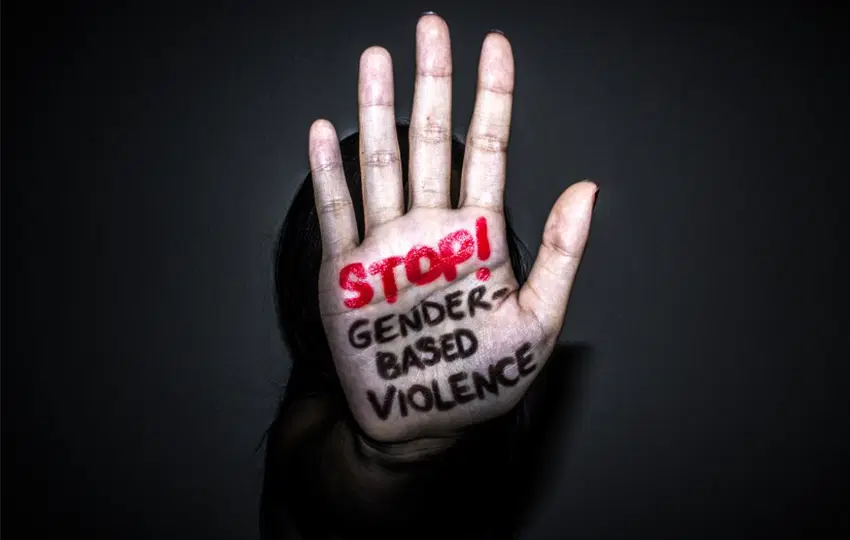
Seventy percent of female students and 30 percent of male students have experienced at least one form of gender-based violence on campus, a National Campus Climate Baseline Survey on Sexual Harassment in Tertiary Institutions in Nigeria has disclosed.
Acting Director, Centre for Response and Prevention of Sexual and Gender-Based Violence, CRPSGBV, Prof. Igot Ofem, at a media briefing to commemorate International Women’s Day 2026, themed “Rights, Justice, Actions for All Women and Girls,” at the Lagos State University, Ojo, yesterday, said the national campus survey, organised by the Committee of Gender Studies Directors in Nigerian Universities in partnership with Alliance for Africa, AfA, was conducted across 12 participating universities in the country.
The survey was conducted in six federally owned and six state universities across the six geopolitical zones of the country by AfA in partnership with Co-Impact.
Prof. Ofem said: “The survey explored multiple dimensions, including sexual harassment, dating violence and other forms of sexual misconduct, covering victimisation and perpetration, and assessed existing prevention efforts, support resources and institutional responses.
“Key findings from the survey include that 70 percent of female students and 30 percent of male students have experienced at least one form of gender-based violence on campus. Also, 63 percent of female staff and 37 percent of male staff have experienced gender-based violence on campus.
“Sexual misconduct, including unwanted touching, inappropriate comments, verbal abuse and stalking, is the most commonly reported form of harassment, affecting 42.2 percent of all respondents.
“Students are being transferred between universities, losing academic privileges and being coerced into sexual exchanges for academic favour, while many survivors do not come forward due to a lack of trust in institutional reporting systems.”
The report called on university authorities nationwide to establish independent sexual harassment response units, strengthen institutional policies and create confidential reporting channels to protect students and staff.
Further, she said: “We appreciate our action-oriented Vice Chancellor, Prof. Ibiyemi Olatunji-Bello, as she has fulfilled the call to action to universities. For example, LASU is the first to have a standard centre that is a safe space responding to GBV on campus. LASU has information on GBV embedded in the Students’ Handbook. The university has a functional Sexual Abuse and GBV Policy. We are also teaching GBV response and prevention as a General Nigerian Studies, GNS, course for current 200-level students,” she added.
Meanwhile, LASU VC, Prof. Olatunji-Bello, in an address read on her behalf, said the theme of the event speaks directly to the core of the institution’s work and shared humanity.
According to her, “Every woman and girl has a right to safety, dignity and mental wellbeing. Yet, most often, these girls are violated, sometimes without the victim realising it. And when an abuse comes to light, justice is delayed, leaving many survivors too afraid to speak up or report the abuse, due to fear of shame and stigma.
“Justice goes beyond the law to providing an environment where survivors feel safe to speak and are taken seriously. So, our actions must be intentional to change these narratives. It is our collective responsibility; whether it is speaking up, supporting a survivor or raising awareness, we all have a role to play,” she added.
Further, she said: “This reminds us that the rights of women and girls are not optional, not negotiable and not secondary; they are fundamental human rights that must be protected, respected and fulfilled in every space, including our university community.”



By Philippine Duru
philippineobetoduru@gmail.com
08034905774
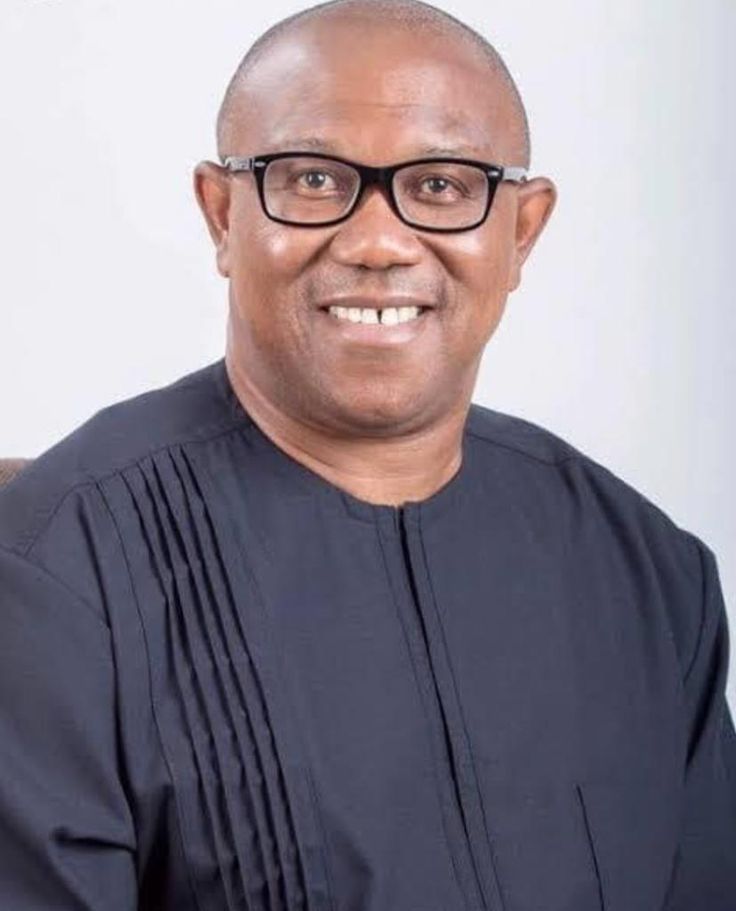
Former Anambra State Governor and Labour Party presidential candidate, Peter Obi, has alleged that suspected hired thugs obstructed his visit to Yelwata community in Benue State, where more than 270 people were reportedly killed in a deadly attack.
Obi made the allegation in a statement following his arrival in Benue on Tuesday, September 8, 2026, saying he had travelled to the state on a humanitarian mission to commiserate with families affected by the killings.
According to him, he arrived in Benue at about 9:00 a.m. but his convoy was prevented from proceeding to the affected community by individuals chanting, “Peter Obi, go back.”
Obi described the incident as distressing, stressing that his visit was not politically motivated but intended to mourn with the bereaved, listen to affected families and offer solidarity following the tragedy.
He said the obstruction was particularly troubling at a time when Nigerians should be united in grief and focused on preventing further loss of lives.
The former governor recalled that he had consistently promoted political civility, citing his attendance the previous day at the opening of the national campaign office of opposition presidential candidate and Oyo State Governor, Seyi Makinde, in Abuja.
He said his presence at the event was meant to demonstrate that political differences should not prevent mutual respect and civility.
Obi also recalled that while serving as governor of Anambra State, he personally welcomed visiting opposition members during election campaigns, provided their activities remained within the law.
He condemned what he described as efforts to deepen political divisions, insisting that Nigerians should be able to live, travel and farm without fear.
“At a time when our nation should be united in grief and resolute in preventing further bloodshed, we must reject any action capable of deepening our divisions,” Obi said.
He maintained that the primary responsibility of government was to protect human life, arguing that political considerations should never take precedence over the safety and security of citizens.
Although he could not reach Yelwata as planned, Obi said his thoughts and prayers remained with the victims, their families and the entire community.
He pledged to continue advocating for the protection of Nigerian lives, concluding with his familiar declaration: “A New Nigeria is POssible.”


NACTAL’s president-elect pledges inclusive leadership, stronger anti-trafficking action

Osita Osememe gets 95.65% votes, emerges NACTAL president

Peter Obi alleges thugs blocked visit to Yelwata massacre victims in Benue
-

 News9 years ago
These ’90s fashion trends are making a comeback in 2017
-
Business9 years ago
The 9 worst mistakes you can ever make at work
-
Entertainment9 years ago
The final 6 ‘Game of Thrones’ episodes might feel like a full season
-

 News6 months ago
SERAP to Akpabio: Disclose officials involved in misappropriation of ₦200t from NNPC
-

 News5 months ago
Disquiet over whereabouts of ₦2.9 billion in key federal agencies
-
News9 years ago
According to Dior Couture, this taboo fashion accessory is back
-
Sports9 years ago
Phillies’ Aaron Altherr makes mind-boggling barehanded play
-
Entertainment9 years ago
The old and New Edition cast comes together to perform