
Uncategorized
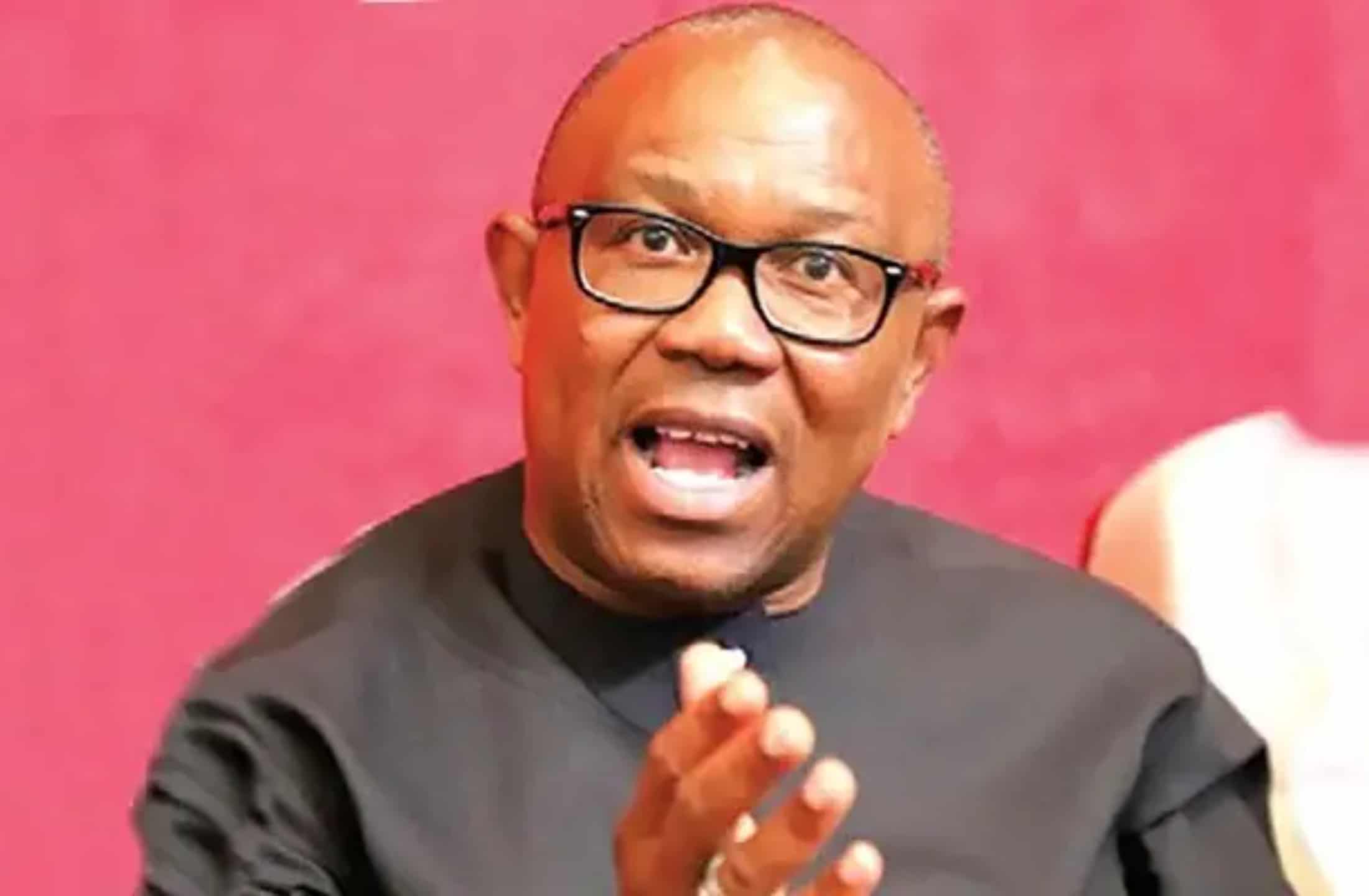
Obi urges Nigerians to judge individuals by character

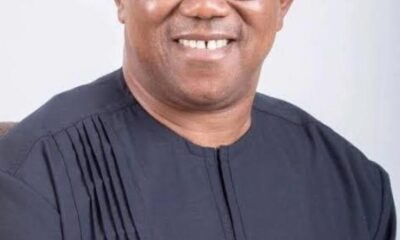
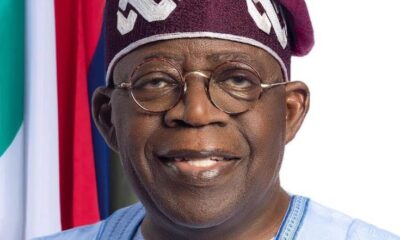





President Bola Ahmed Tinubu has welcomed the successful rescue of 308 abducted Nigerians from terrorist hideouts in Niger and Kwara states, describing the operation as a major victory in the country’s ongoing fight against insecurity and directing security agencies to strengthen early warning systems to prevent future attacks.
The President said the successful operation underscored the growing effectiveness of intelligence-led security operations and the improved collaboration among Nigeria’s security agencies.
According to a statement issued on Wednesday by the Special Adviser to the President on Information and Strategy, Bayo Onanuga, 163 of the rescued victims were abducted from Woro Community in Kaiama Local Government Area of Kwara State, while 145 others were kidnapped from different parts of Niger State.
The victims were rescued from the Kainji Lake National Park Forest in New Bussa Local Government Area of Niger State following a coordinated operation led by the National Counter-Terrorism Centre (NCTC), with the participation of the Armed Forces of Nigeria, the Department of State Services (DSS) and the Nigeria Police Force.
The Presidency described the mission as the largest same-day rescue operation ever carried out by Nigeria’s joint security team, attributing its success to effective intelligence gathering, meticulous planning and seamless inter-agency cooperation.
President Tinubu commended the leadership and personnel of the participating security agencies for their courage, professionalism and dedication to protecting the lives of Nigerians.
“The successful execution of this intelligence-led operation demonstrates the growing efficiency and collaboration among our security services. I commend our gallant men and women in uniform for their bravery and unwavering commitment to safeguarding Nigerian lives,” the President said.
The rescued victims are currently receiving first aid and medical attention at the medical facility in Wawa Cantonment. After undergoing comprehensive medical evaluations, they will be handed over to the governments of Kwara and Niger states for rehabilitation, further care and reunification with their families.
While celebrating the successful rescue, President Tinubu stressed the need to prevent similar incidents by strengthening Nigeria’s security architecture. He directed security agencies and relevant stakeholders to immediately enhance early warning mechanisms, improve intelligence gathering at the community level and strengthen rapid response capabilities across the country.
The President reaffirmed his administration’s commitment to defeating terrorism, banditry and other forms of violent crime, assuring Nigerians that the Federal Government would continue to deploy every available resource to protect lives, secure vulnerable communities and restore lasting peace nationwide.
The rescue operation marks another significant breakthrough in the government’s intensified counter-terrorism campaign and reflects ongoing efforts to improve coordination among the nation’s security and intelligence agencies in tackling criminal networks operating across Nigeria.

By Philippine Duru
philippineobetoduru@gmail.com
07033905774
Africa’s largest cement producer, Dangote Cement, has intensified its sustainability agenda through increased investments in environmentally friendly manufacturing processes, alternative energy sources, and community development initiatives as it seeks to reduce its environmental footprint while supporting long-term business growth.
The company said its sustainability strategy remains focused on balancing economic performance with environmental stewardship and social responsibility, positioning itself as a leader in sustainable industrial development across Africa.
As part of the renewed drive, Dangote Cement is expanding the use of alternative fuels in its production processes to reduce dependence on fossil fuels and lower greenhouse gas emissions. The company is also investing in energy-efficient technologies designed to improve operational efficiency while reducing the carbon intensity of cement production.
Industry analysts noted that sustainability has become a critical priority for cement manufacturers worldwide, as governments, investors, and consumers increasingly demand cleaner production methods and stronger environmental, social, and governance (ESG) performance.
According to the company, significant progress has been made in improving energy efficiency across its manufacturing plants through the adoption of modern production technologies, process optimization, and continuous investment in innovation.
Dangote Cement is also strengthening waste management practices by increasing the use of alternative raw materials and promoting circular economy initiatives that reduce industrial waste while conserving natural resources.
Beyond environmental sustainability, the company continues to invest in social development programmes across its host communities. These initiatives include support for education, healthcare, youth empowerment, vocational training, road infrastructure, access to clean water, and other projects aimed at improving livelihoods.
The company said it remains committed to creating shared value by ensuring that communities surrounding its operations benefit from sustainable economic opportunities and improved social infrastructure.
Industry stakeholders observed that the company’s sustainability efforts are expected to strengthen its competitiveness as global financial institutions increasingly prioritize companies with strong ESG credentials when making investment decisions.
Analysts also noted that improved sustainability performance enhances operational resilience by reducing energy costs, improving resource efficiency, mitigating regulatory risks, and supporting long-term profitability.
As part of its climate strategy, Dangote Cement continues to explore innovative technologies capable of reducing carbon emissions throughout its operations while maintaining product quality and meeting growing demand for cement across Africa.
The company reaffirmed its commitment to responsible environmental management, including compliance with applicable environmental regulations, biodiversity conservation, emissions monitoring, and continuous improvement in occupational health and safety standards.
Experts believe the company’s strengthened sustainability programme aligns with Nigeria’s broader climate and industrial development objectives, particularly efforts to encourage cleaner manufacturing, improve energy efficiency, and support sustainable economic growth.
They added that continued investment in green manufacturing technologies would not only enhance the company’s operational performance but also contribute to Nigeria’s transition toward a more resilient and environmentally sustainable industrial sector.
With infrastructure development and urbanization continuing to drive cement demand across the continent, analysts said Dangote Cement’s renewed emphasis on sustainability positions the company to meet future market needs while addressing growing environmental concerns and delivering long-term value to shareholders, customers, employees, and host communities.Three headline options
By Philippine Duru
philippineobetoduru@gmail.com
08034905774
The Central Bank of Nigeria (CBN) has directed all banks, payment service banks and other regulated financial institutions to immediately freeze the accounts, assets and financial transactions of six individuals and four Bureau de Change (BDC) operators over alleged links to terrorism financing.
The directive, contained in a circular dated June 24, 2026, marks one of the latest measures by the apex bank to strengthen Nigeria’s anti-money laundering and counter-terrorism financing framework. The order followed recent sanctions issued by the Nigeria Sanctions Committee (NIGSAC) and the United States Department of the Treasury’s Office of Foreign Assets Control (OFAC) under Executive Order 13224, as amended.
According to the CBN, all regulated financial institutions must immediately identify and freeze, without prior notice, all funds, assets and economic resources belonging to, owned, held or controlled, directly or indirectly, by the designated persons and entities. The directive also extends to businesses or organisations that are owned 50 per cent or more, individually or collectively, by the sanctioned persons.
The six individuals listed under the sanctions regime are Muktar Muhammad Adamu, Babangida Muhammed Adamu Hammajam, Abdullahi Umar Usman, Ibrahim Abubakar, Adamu Chiroma and Yakubu Ogirima Ibrahim.
The four Bureau de Change operators affected by the sanctions are Generation Currency Bureau de Change Limited, Manhattan Bureau de Change Limited, Nine to Nine Exchange Bureau de Change Limited and Abbal Bako & Sons Bureau de Change Limited. Authorities allege that the businesses are owned or controlled by the designated individuals.
Beyond freezing accounts, the CBN instructed financial institutions to screen all existing customers, beneficial owners and every incoming and outgoing transaction against the updated sanctions list, including known aliases and identifiers. Banks have also been directed to ensure that no funds, financial services or economic resources are made available, directly or indirectly, to any of the sanctioned persons or entities.
The apex bank further ordered institutions to immediately file Suspicious Transaction Reports (STRs) with the Nigerian Financial Intelligence Unit (NFIU) for any confirmed or attempted matches involving the designated persons. In addition, banks must submit compliance reports to the CBN within 48 hours, detailing the number of affected accounts, the value of assets frozen, restrictions imposed and actions taken. Institutions that find no matching accounts are also required to submit mandatory nil returns.
To strengthen compliance, the CBN directed financial institutions to intensify monitoring for terrorism financing indicators, including structured cash transactions, rapid movement of funds, the use of money service businesses and bureaux de change, informal transfer channels and transactions involving high-risk jurisdictions. Banks were also instructed to conduct retrospective reviews of customer relationships and previous transactions to identify any historical links with the designated persons or entities.
The regulator warned that any false, incomplete or misleading compliance reports would constitute regulatory violations and attract sanctions under the Banks and Other Financial Institutions Act (BOFIA) 2020 and other applicable laws. It added that compliance would be verified through off-site reviews, on-site examinations and supervisory engagements across the banking industry.
The latest directive comes amid intensified domestic and international efforts to disrupt financial networks suspected of supporting extremist organisations. Nigerian authorities have continued to tighten financial surveillance and align the country’s sanctions enforcement with global standards aimed at combating terrorism financing and illicit financial flows. Analysts say the move is expected to reinforce confidence in Nigeria’s financial system while demonstrating the country’s commitment to meeting international anti-money laundering and counter-terrorism financing obligations.


NACTAL’s president-elect pledges inclusive leadership, stronger anti-trafficking action

Osita Osememe gets 95.65% votes, emerges NACTAL president

Peter Obi alleges thugs blocked visit to Yelwata massacre victims in Benue
-

 News9 years ago
These ’90s fashion trends are making a comeback in 2017
-
Business9 years ago
The 9 worst mistakes you can ever make at work
-
Entertainment9 years ago
The final 6 ‘Game of Thrones’ episodes might feel like a full season
-
 News6 months ago
SERAP to Akpabio: Disclose officials involved in misappropriation of ₦200t from NNPC
-
 News5 months ago
Disquiet over whereabouts of ₦2.9 billion in key federal agencies
-
News9 years ago
According to Dior Couture, this taboo fashion accessory is back
-
Sports9 years ago
Phillies’ Aaron Altherr makes mind-boggling barehanded play
-
Entertainment9 years ago
The old and New Edition cast comes together to perform