
News
Nigeria’s air war under fire after hundreds of civilian deaths

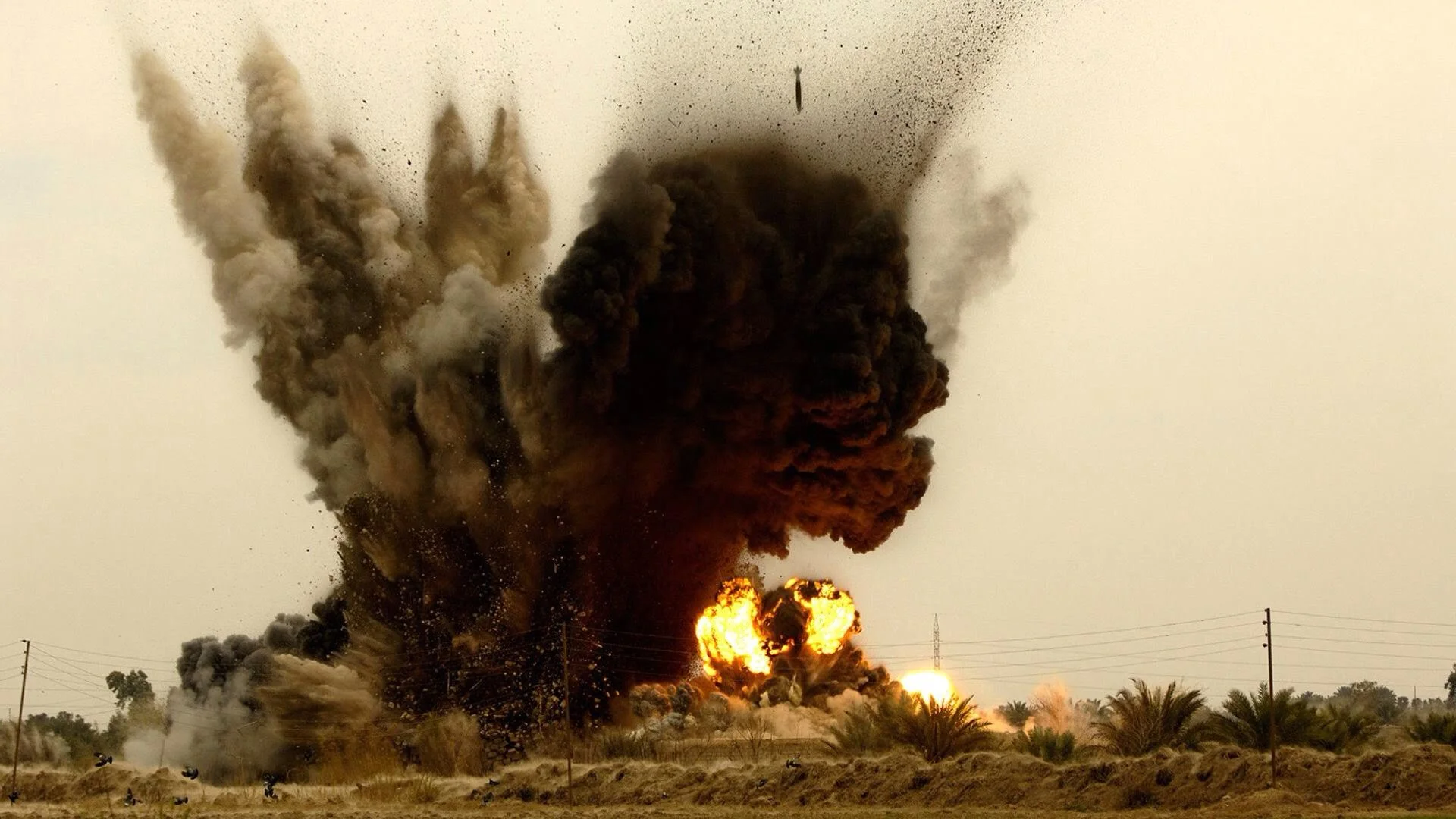
Nigeria’s military operations against insurgents and bandits have come under renewed scrutiny following reports that more than 400 unarmed civilians have been killed in accidental airstrikes since 2017.
While the military has consistently maintained that its operations are aimed strictly at terrorist targets, multiple incidents over the years suggest that civilians have, at times, paid a tragic price.
One of the earliest and most devastating cases occurred on January 17, 2017, when aAhmad Gumi jet mistakenly bombed an Internally Displaced Persons (IDP) camp in Rann, Borno State, near the Cameroonian border. The strike left at least 115 people dead, including humanitarian workers, and injured over 100 others, drawing widespread international condemnation.
Similar tragedies have followed. On December 25, 2024, airstrikes targeting the Lakurawa terror group in Sokoto State reportedly hit Gidan Sama and Rumtuwa communities, killing at least 10 villagers. Although the military initially disputed the claims, Governor Ahmed Aliyu later confirmed the casualties, describing the incident as a mistake during an anti-terror operation.
In December 2023, a drone strike in Tudun Biri village, Kaduna State, struck civilians gathered for a Muslim festival. According to Amnesty International, no fewer than 120 people were killed in the blast, sparking outrage across the country.
Earlier, on December 18, 2022, an air raid in Mutumji village, Zamfara State, reportedly killed at least 64 civilians after targeting armed bandits. Another incident on January 24, 2023, in Nasarawa State allegedly claimed about 50 herders, with the military stating it acted on intelligence of terrorist activity in the area.
The most recent controversy stems from an April 11, 2026 airstrike on Jilli Market in Yobe State, where about 50 civilians were reportedly killed. Military authorities, however, insist the location was a legitimate target, describing it as a known logistics hub for ISWAP fighters.
In response to the allegations, the Nigerian Air Force said it has launched an investigation. Air Commodore Ehimen Ejodame confirmed that the Chief of Air Staff has activated the Civilian Harm Accident and Investigation Cell to determine the facts surrounding the incident.
The development has triggered public outrage and renewed calls for accountability. Prominent Islamic cleric Ahmad Gumi questioned the chain of command behind such operations and urged the Senate to probe what he described as recurring “mistakes” involving civilian populations.
Meanwhile, Borno State Governor Babagana Zulum defended the military’s position, stating that the Jilli Market had been shut down for several years, suggesting it may have been repurposed by insurgents.
As pressure mounts, many Nigerians are demanding improved intelligence, stricter operational safeguards, and greater transparency to prevent further civilian casualties in the fight against insecurity



A Senior Advocate of Nigeria and policy analyst, Dr. M. O. Ubani, has questioned the legal basis of a recent Federal High Court judgment directing the Independent National Electoral Commission (INEC) to deregister five political parties, arguing that the decision may have extended beyond the position previously established by the Supreme Court.
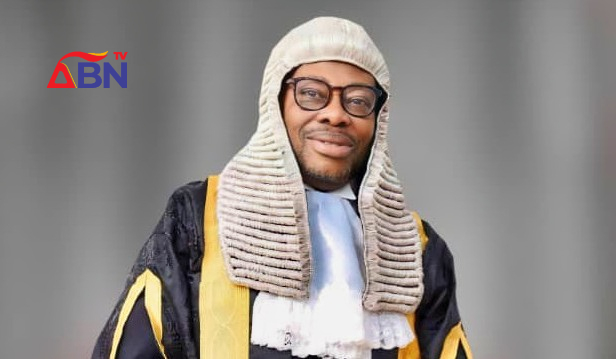
The opinion piece by legal practitioner and policy analyst, Dr. Monday.O. Ubani (SAN), has reignited discussions over the proposal for a single six-year tenure for Nigeria’s President and state governors, questioning whether the constitutional amendment would address the country’s governance challenges or merely divert attention from more pressing issues.
In a statement titled “Six-Year Single Tenure for the President and Governors: A Solution or a Distraction?”, Ubani examined the renewed advocacy for a non-renewable six-year term for chief executives at both federal and state levels.
The proposal, recently championed by Senator Opeyemi Bamidele and other supporters, is premised on the argument that elected leaders who are not preoccupied with re-election campaigns would devote greater attention to governance and long-term policy implementation.
According to Ubani, the argument possesses a degree of merit, noting that under Nigeria’s current constitutional framework, presidents and governors serve four-year terms with the possibility of one re-election. He observed that political calculations surrounding second-term bids often begin long before the expiration of a first tenure, potentially influencing policy decisions and governance priorities.
“A single tenure could potentially eliminate this concern and encourage long-term policy implementation,” he noted.
However, the Senior Advocate of Nigeria cautioned that the debate should extend beyond considerations of administrative efficiency. He argued that democracy is fundamentally anchored on accountability and good governance, with the prospect of re-election serving as a critical mechanism through which citizens assess the performance of elected officials.
Ubani warned that removing the incentive of electoral appraisal could weaken democratic responsiveness and accountability.
Drawing from comparative constitutional experiences across different regions of the world, he maintained that there is no direct relationship between the length of tenure and the quality of governance. He pointed out that several countries in the Americas and Northern Europe, despite operating relatively short executive tenures, have produced transformative leaders. Conversely, some African nations that allowed extended periods in office have grappled with poor governance, institutional decline and democratic setbacks.
He further argued that Nigeria’s own political experience demonstrates that leadership quality and institutional effectiveness have a greater impact on governance outcomes than tenure duration.
According to him, strong institutions, adherence to constitutional limits, transparency and respect for the rule of law remain the key determinants of successful governance.
From a constitutional standpoint, Ubani stated that the national conversation should not be limited to choosing between a six-year or an eight-year arrangement. Rather, he said, the focus should be on identifying a framework that best promotes accountability, political stability, effective governance and democratic development.
He acknowledged that introducing a six-year single tenure through constitutional amendment is legally feasible, provided the procedures stipulated in the Nigerian Constitution are strictly followed.
Nonetheless, Ubani questioned whether such a reform would address the underlying challenges confronting governance in the country.
“It is possible that tenure reform may alter political incentives, but it cannot substitute for competent leadership, institutional integrity and citizen participation,” he argued.
The legal practitioner stressed that effective leadership is not necessarily dependent on the length of time spent in office, noting that capable leaders can deliver meaningful results within limited tenures, while ineffective leaders may inflict greater damage even with extended periods in power.
He concluded that Nigeria’s central challenge lies not in determining how long presidents and governors should remain in office, but in ensuring that those entrusted with public office govern responsibly, effectively and in accordance with constitutional principles.
“The true measure of democratic success,” Ubani said, “is the ability to ensure that whoever occupies public office delivers the dividends of democracy while remaining accountable to the people and the Constitution.”
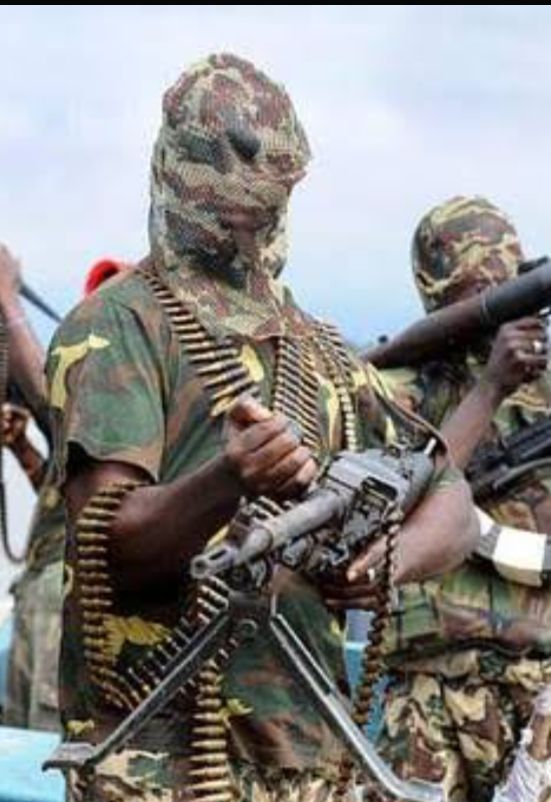
Ondo State Police Command has launched an intensive rescue operation following the suspected abduction of a community leader in Ode Oriya Village, Owo Local Government Area of the state.


SAN reacts to deregistration of ADC, others

Six-yr-single term: SAN speaks on right framework

Monarch’s wife shot as hoodlums abduct husband
-

 News9 years ago
These ’90s fashion trends are making a comeback in 2017
-
Entertainment9 years ago
The final 6 ‘Game of Thrones’ episodes might feel like a full season
-
Business9 years ago
The 9 worst mistakes you can ever make at work
-
News9 years ago
According to Dior Couture, this taboo fashion accessory is back
-
Sports9 years ago
Phillies’ Aaron Altherr makes mind-boggling barehanded play
-
Entertainment9 years ago
The old and New Edition cast comes together to perform
-
 News3 months ago
SERAP to Akpabio: Disclose officials involved in misappropriation of ₦200t from NNPC
-
Entertainment9 years ago
Mod turns ‘Counter-Strike’ into a ‘Tekken’ clone with fighting chickens