
Politics
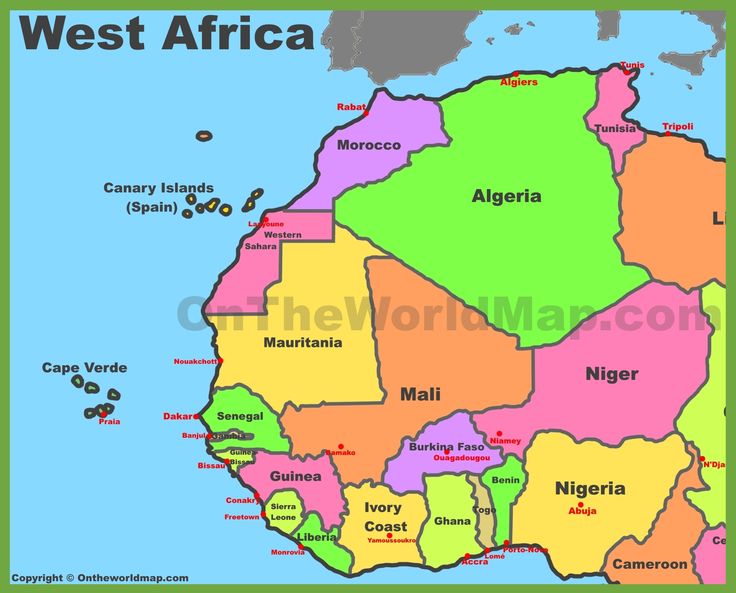
Stakeholders urges women political inclusion in W/Africa

By Philippine Duru
philippineobetoduru@gmail.com
08034905774
Efforts to increase women’s representation in politics across West Africa have received renewed attention as governments, regional institutions, civil society organisations and development partners intensified calls for greater inclusion of women in political leadership and decision-making.
At regional engagements focused on democratic governance and gender equality, stakeholders stressed that improving women’s participation in politics is essential to strengthening democracy, promoting inclusive governance and accelerating sustainable development across the sub-region.
Speakers noted that although women account for nearly half of the population in most West African countries, they remain significantly underrepresented in elected and appointed political offices, including national parliaments, local government councils and executive positions.
They argued that increasing women’s political participation is not only a matter of equity and human rights but also a strategic necessity for improving governance, public policy and economic development.
Participants identified several barriers limiting women’s participation in politics, including cultural and social norms, inadequate political financing, gender-based violence, limited access to leadership opportunities, discriminatory practices within political parties and unequal access to education and economic resources.
They observed that female candidates often face greater financial challenges during election campaigns and are frequently subjected to intimidation, harassment and misinformation, discouraging many qualified women from seeking public office.
Stakeholders called on governments across the Economic Community of West African States (ECOWAS) region to strengthen legal and institutional frameworks that promote gender equality in politics. They urged countries to adopt and effectively implement affirmative action policies, enforce existing gender laws and encourage political parties to reserve more elective positions for women.
They also advocated increased investment in leadership development, political mentorship, civic education and campaign financing programmes aimed at preparing more women for leadership roles at national and community levels.
According to participants, expanding opportunities for women in governance would contribute to more inclusive policymaking, improve social welfare programmes and ensure broader representation of citizens’ interests in legislative and executive decisions.
Development partners reaffirmed their commitment to supporting initiatives that empower women through leadership training, electoral support programmes, policy advocacy and institutional capacity building. They stressed that partnerships between governments, electoral management bodies, civil society organisations and the private sector would be critical to achieving meaningful progress.
Political analysts noted that several West African countries have made gradual progress in appointing more women to cabinet positions and senior public offices. However, they said representation in elected offices remains below international targets, highlighting the need for sustained reforms.
Stakeholders also encouraged greater involvement of young women in politics, noting that nurturing future female leaders would help strengthen democratic institutions and promote long-term political stability.
They further called for stronger measures to combat electoral violence and online abuse targeting female politicians, while urging media organisations to provide balanced and fair coverage of women seeking public office.
Observers maintained that increasing women’s representation in political institutions would not only advance gender equality but also enrich public debate through diverse perspectives and improve the quality of governance across West Africa.
The renewed push for greater political inclusion comes as several countries in the region prepare for upcoming elections and constitutional reforms, providing an opportunity to implement measures that create a more inclusive and representative democratic system.
Stakeholders expressed optimism that sustained political will, stronger institutions and collaborative regional action would help close the gender gap in political representation and enable more women to contribute meaningfully to shaping the future of West Africa.

The African Democratic Congress (ADC) has criticized President Bola Tinubu over his declaration that he was prepared to “fight to the finish” politically, urging him to channel the same determination toward tackling terrorism, banditry and kidnapping rather than confronting the opposition.
In a statement issued on Wednesday by its National Publicity Secretary, Bolaji Abdullahi, the opposition party said Nigerians expected the President to demonstrate stronger leadership in addressing the country’s worsening security challenges instead of engaging in political battles.
The ADC said it found the timing of the President’s remarks particularly disturbing, noting that they were made during a meeting with members of the Catholic Bishops’ Conference of Nigeria (CBCN) at the Presidential Villa in Abuja, only hours after gunmen reportedly killed at least 30 people in Naridon village, Kauru Local Government Area of Kaduna State.
According to the party, the President’s priority should be confronting the country’s security crisis rather than focusing on political opponents.
“Nigerians did not elect a Commander-in-Chief to become the nation’s chief issuer of condolence statements,” the statement said.
“Mr President, the fight Nigerians elected you to lead is not against the opposition. It is against the terrorists, kidnappers and armed criminals who continue to kill innocent citizens and destabilize communities across the country.”
The ADC said the attack on Naridon village left homes destroyed, families displaced and another community devastated by violence, arguing that such incidents required more decisive action from the Federal Government.
Abdullahi accused the administration of responding to repeated attacks with statements of sympathy rather than effective measures to halt the violence.
“After every attack comes another statement. After every massacre comes another condemnation. After every tragedy comes another expression of sympathy,” he said.
The opposition party further argued that President Tinubu appeared more confrontational toward the opposition than toward those responsible for insecurity across the country.
“What is equally disturbing is that when it comes to insecurity, President Tinubu is a commentator. However, when it comes to the opposition, he is a combatant,” Abdullahi said.
He urged the President to reserve expressions such as “fight to the finish” for efforts aimed at defeating terrorists, bandits and kidnappers instead of political rivals.
The ADC maintained that more than three years into the Tinubu administration, the government had yet to establish a security record that justified what it described as political bravado.
“The President’s real opponents are not the opposition. They are terrorism, banditry, kidnapping and the growing insecurity that continues to claim innocent Nigerian lives. Those are the enemies he was elected to fight, and as things stand today, they remain undefeated,” the statement added.
The party concluded by urging the President to focus on restoring security and protecting lives, insisting that electoral victories are earned through performance rather than declarations of political toughness.

By Philippine Duru
philippineobetoduru@gmail.com
08034905774
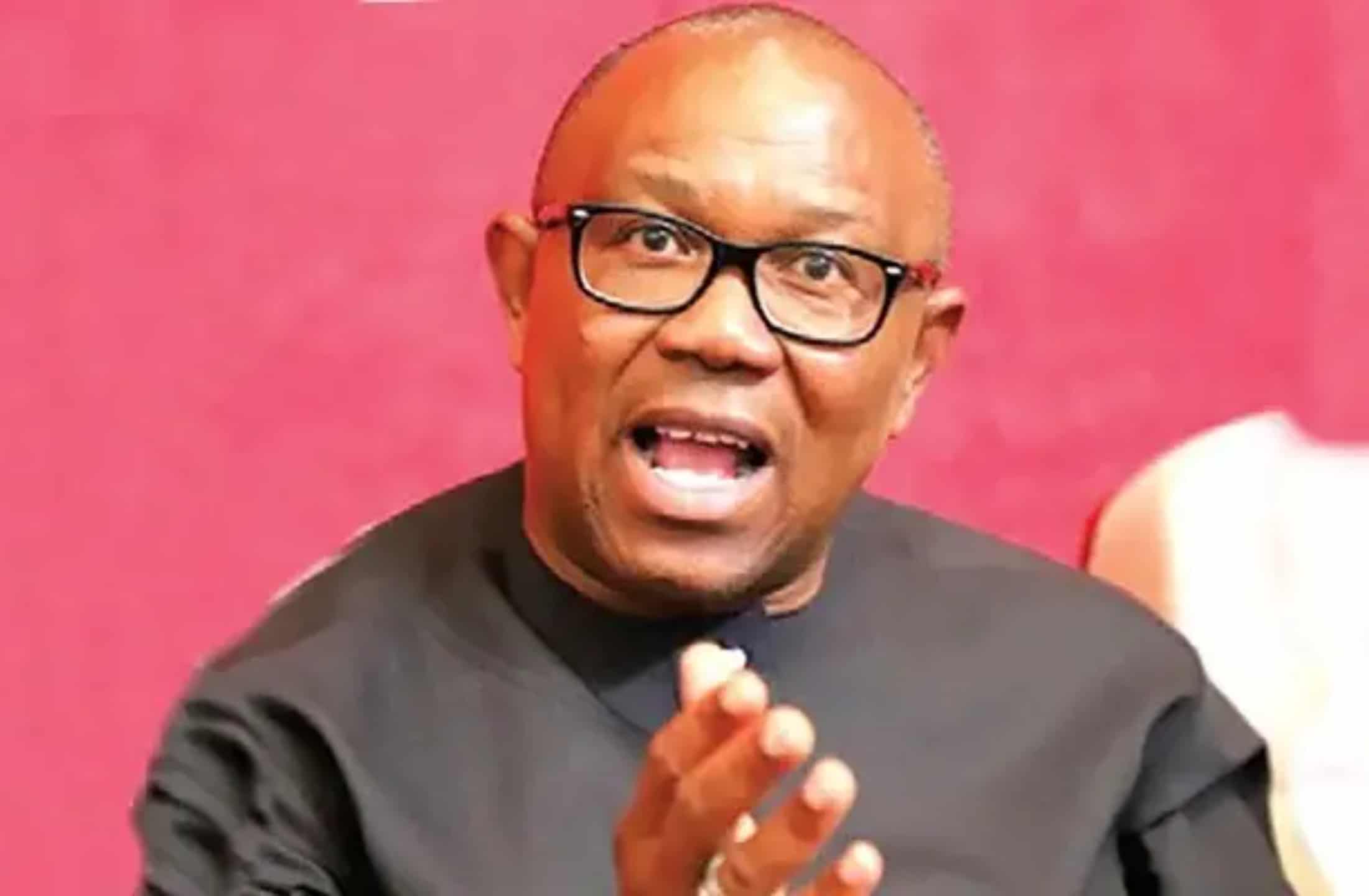
Presidential candidate of the Nigeria Democratic Congress (NDC), Peter Obi, has pledged to transform Northern Nigeria if elected president, declaring that he possesses a deep understanding of the region’s challenges and is best positioned to lead efforts aimed at restoring security, fostering national unity and unlocking its economic potential.
Obi made the remarks while speaking during an interview, where he outlined his vision for the North as part of his broader agenda for national development ahead of the 2027 general election.
“I will change the North. I have an idea of what is happening in the North, and nobody can drive that process in Nigeria better than me. I will work with them and ensure the unity, security and prosperity they desire are achieved,” Obi said.
The former Anambra State governor stressed that Northern Nigeria remains central to the country’s political and economic stability, noting that lasting national progress cannot be achieved without addressing the region’s numerous challenges.
According to him, his administration would work closely with traditional rulers, community leaders, state governments, security agencies and the private sector to tackle insecurity, improve agricultural productivity, expand educational opportunities and create jobs for millions of young people across the region.
Obi said insecurity in many parts of the North has disrupted farming activities, displaced communities and weakened economic growth, insisting that restoring peace would be one of the first priorities of his administration.
He also emphasized the need for inclusive governance, arguing that every part of Nigeria deserves equal attention and development regardless of political or ethnic differences.
The presidential hopeful said his government would pursue policies aimed at rebuilding trust among Nigeria’s diverse ethnic and religious groups while strengthening institutions responsible for maintaining peace and national cohesion.
Obi maintained that Northern Nigeria possesses enormous untapped potential in agriculture, livestock, solid minerals and renewable energy, adding that targeted investments in these sectors could significantly boost economic growth, increase exports and reduce unemployment.
He further pledged to improve infrastructure across the region through investments in roads, rail networks, electricity, irrigation systems and healthcare facilities to stimulate business activities and improve living standards.
The former governor reiterated his commitment to investing heavily in education, describing it as the most effective tool for reducing poverty, combating extremism and preparing young Nigerians for opportunities in a modern economy.
He said expanding access to quality education and vocational training would help equip youths with skills needed for employment and entrepreneurship while reducing social unrest.
Obi also promised to strengthen collaboration between the Federal Government and state governments to ensure development projects are tailored to the specific needs of communities across Northern Nigeria.
Political analysts say Obi’s comments are part of broader efforts by presidential hopefuls to strengthen their support in the North, which remains Nigeria’s largest voting bloc and is expected to play a decisive role in the outcome of the 2027 presidential election.
With campaigns gradually gathering momentum, issues such as insecurity, poverty, youth unemployment, agriculture and infrastructure are expected to dominate political discourse, particularly in Northern Nigeria, where many communities continue to face significant socio-economic challenges.
Obi’s latest remarks reinforce his campaign message of building a more united, secure and productive Nigeria through economic reforms, institutional strengthening and inclusive governance, while assuring Northern leaders and residents that their aspirations would remain a priority under his proposed administration.


FG launches SOAR initiative to support retiring civil servants

Alternative Bank convenes ‘beyond interest’ forum

Stakeholders urges women political inclusion in W/Africa
-

 News9 years ago
These ’90s fashion trends are making a comeback in 2017
-
Business9 years ago
The 9 worst mistakes you can ever make at work
-
Entertainment9 years ago
The final 6 ‘Game of Thrones’ episodes might feel like a full season
-
 News4 months ago
SERAP to Akpabio: Disclose officials involved in misappropriation of ₦200t from NNPC
-
News9 years ago
According to Dior Couture, this taboo fashion accessory is back
-
 News4 months ago
Disquiet over whereabouts of ₦2.9 billion in key federal agencies
-
Sports9 years ago
Phillies’ Aaron Altherr makes mind-boggling barehanded play
-
Entertainment9 years ago
The old and New Edition cast comes together to perform